What lies hidden beneath the earth’s surface shapes landscapes as much as stories and images. This programme traces the history of oil as a resource, colonial promise, and contested archive. From British propaganda to poetic documentaries and a critical re-examination of historical images, the films offer multilayered perspectives on extraction, power, and cinema itself.
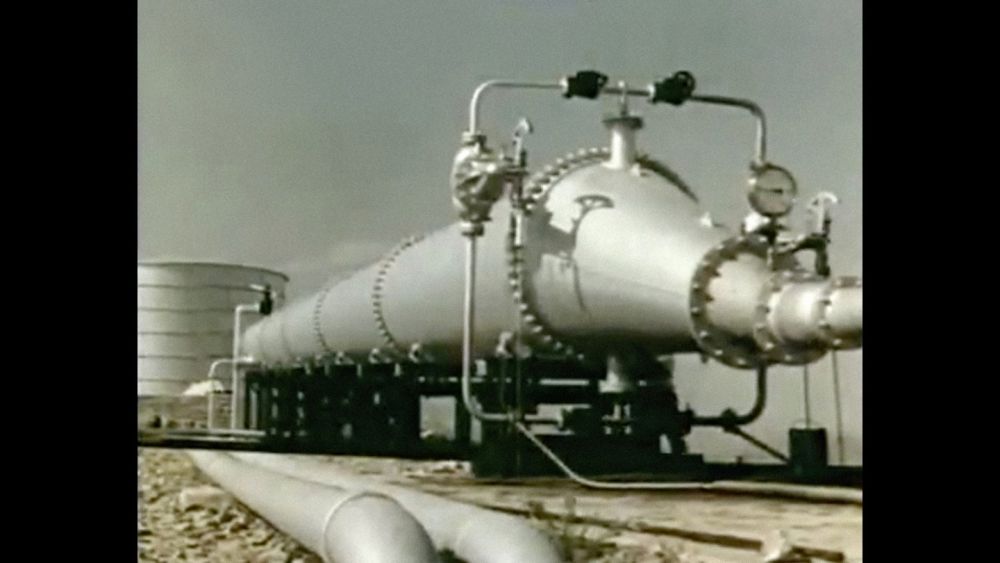
Persian Story
Ralph Keene / United Kingdom 1952 / 20'44" / colour / English / Doc
A twenty-minute colour film shot during the last few months before the company's staff left Abadan in October 1951. It gives a vivid impression of the oilfields and the life led by the company's British and Persian employees.
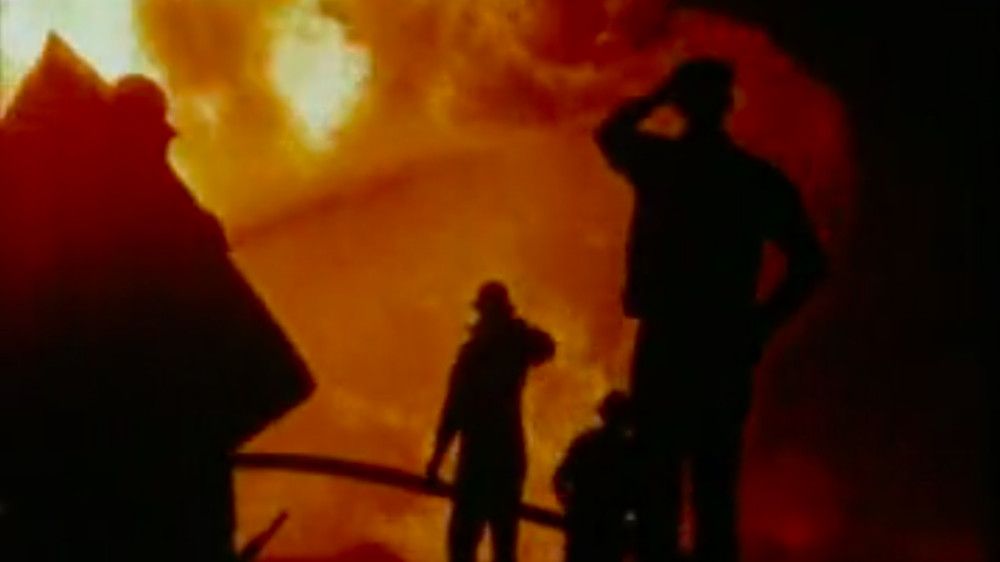
Yek atash
Ebrahim Golestan / Iran 1961 / 25' / colour / Farsi/English / Fic/Doc
In the spring of 1958, an oil well in the southwest of Iran caught fire. Ebrahim Golestan took his small crew to the location and filmed the process of extinguishing the conflagration. Later, Forough Farrokhzad, fresh from a course on the use of archival footage in the UK, edited the film, which combined her poetic sensibilities with Golestan’s more symbolic approach. The result stands in sharp contrast with, for instance, Werner Herzog’s treatment of the same subject matter in «Lessons of Darkness». Golestan develops a folkloric narrative, a celebration of collective work by ordinary people, while Herzog gives us an operatic tale of individualism.
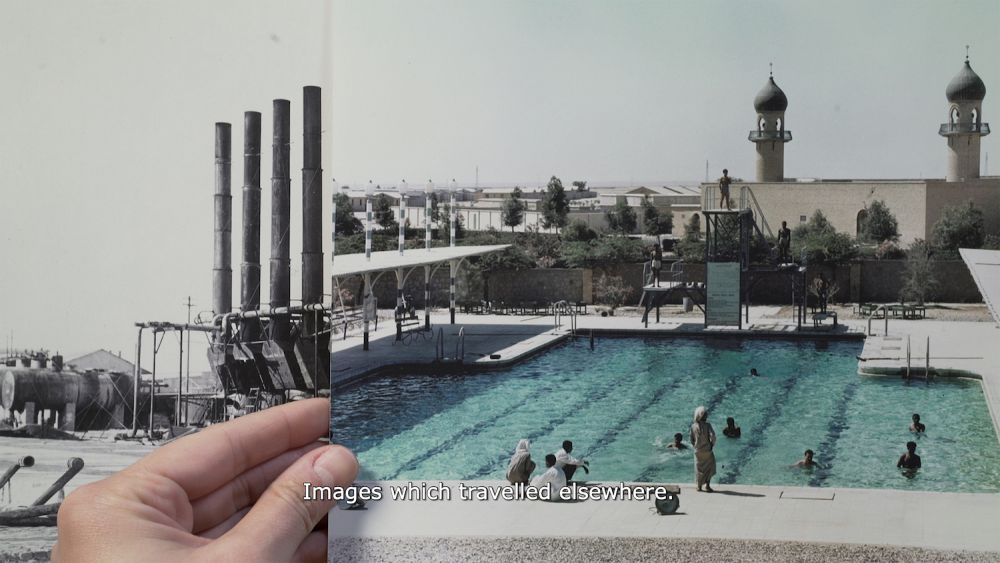
One Image, Two Acts
Sanaz Sohrabi / Canada/Iran 2020 / 44'38" / colour / English/Persian / Doc
«One Image, Two Acts» examines the photographic and film archives of British Petroleum during its operations in Iran, Iraq, and Kuwait to unravel BP’s widespread construction of cinemas in the oil towns of Southwestern Iran. It follows the transformation of this emergent image economy, contouring the nationalization movement and the Iranian anticolonial cinema between 1950 and 1980 and traces the media infrastructures through which oil has operated as an agent of power in the colonial episteme.