Throughout the history of Iranian cinema, female filmmakers have shown a remarkable sensitivity toward those who exist at the margins of society. Rather than focusing on heroic figures or social majorities, they turn their gaze on those whose lives remain unseen: girls deprived of agency, women rendered invisible by social structures, and those excluded because of illness, class, or circumstance. In these works, the outsider is never reduced to a social category but serves as the emotional and ethical centre of the films.
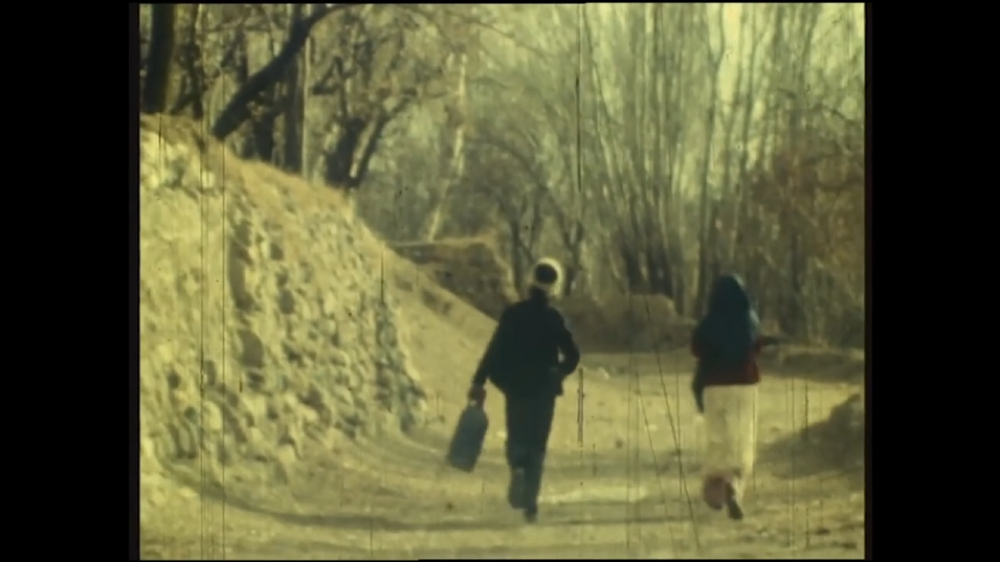
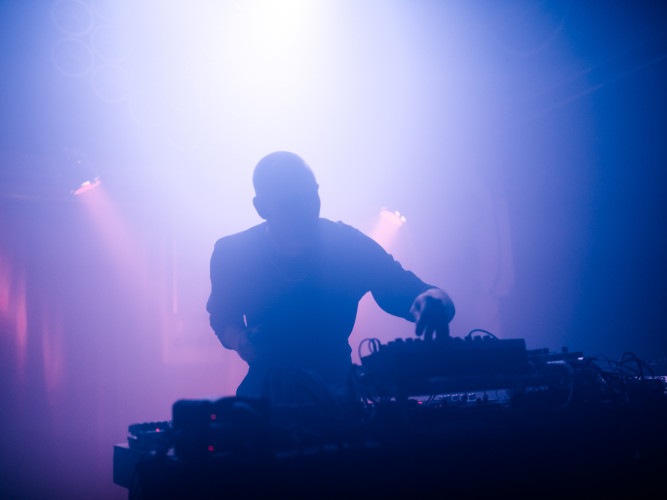
At Friday's screening, Filmsaaz will perform a live soundtrack for «Galin» by Mahboubeh Ranjbare.
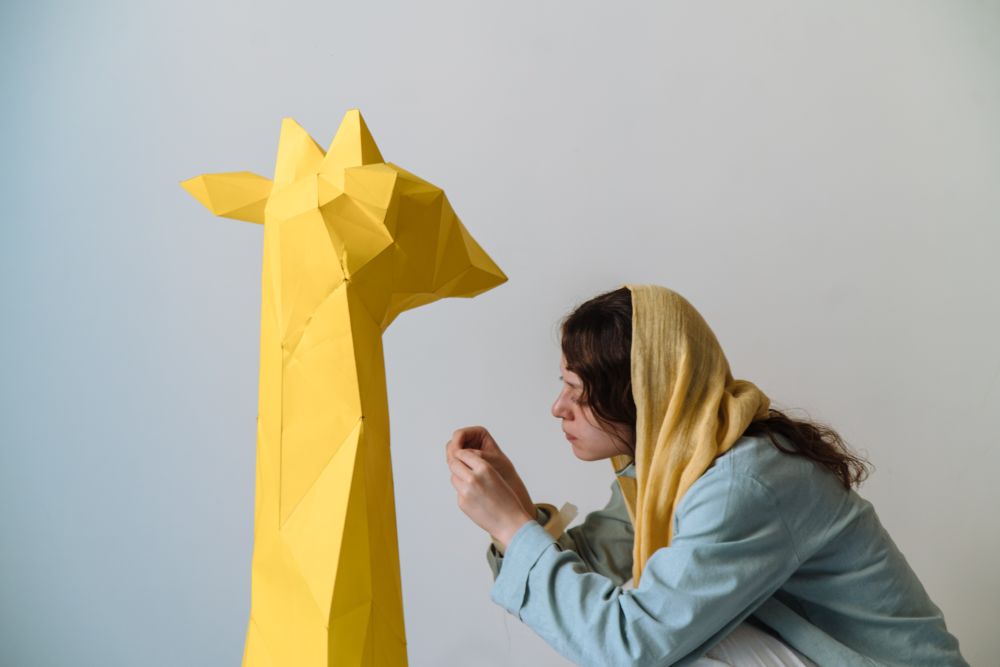
Roya, a young girl with a yellow spot on her face, suddenly feels the characteristics of a real giraffe in herself, and that starts changing her life.
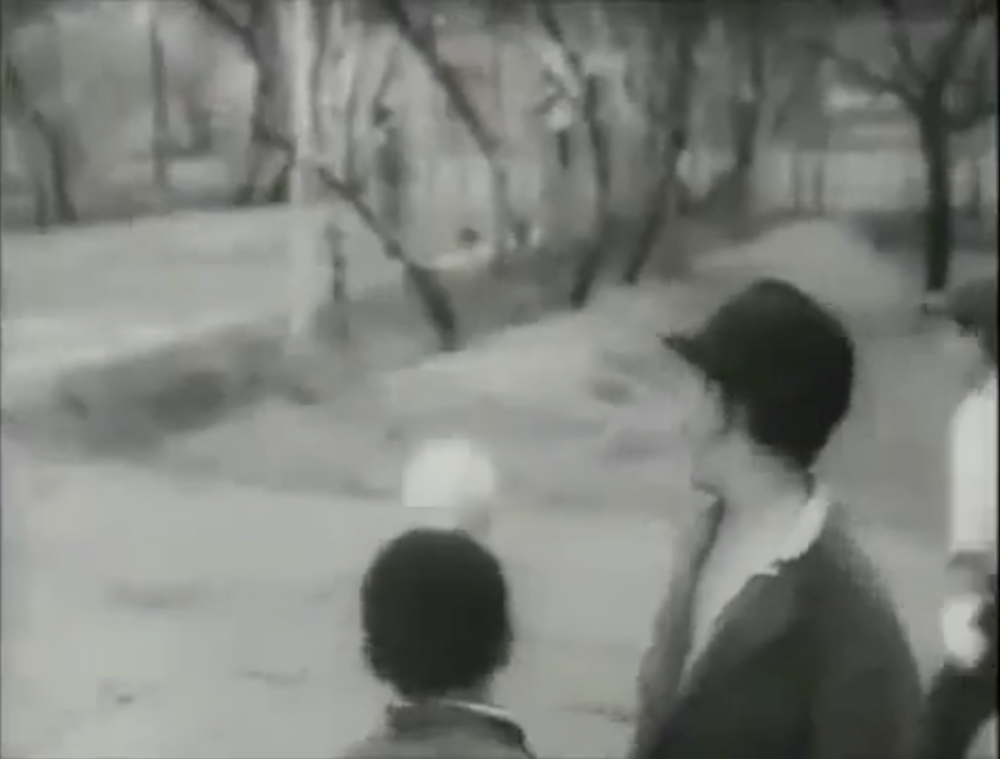
The House Is Black Forough Farrokhzad / Iran 1963 / 21'23" / black & white / Farsi / Exp
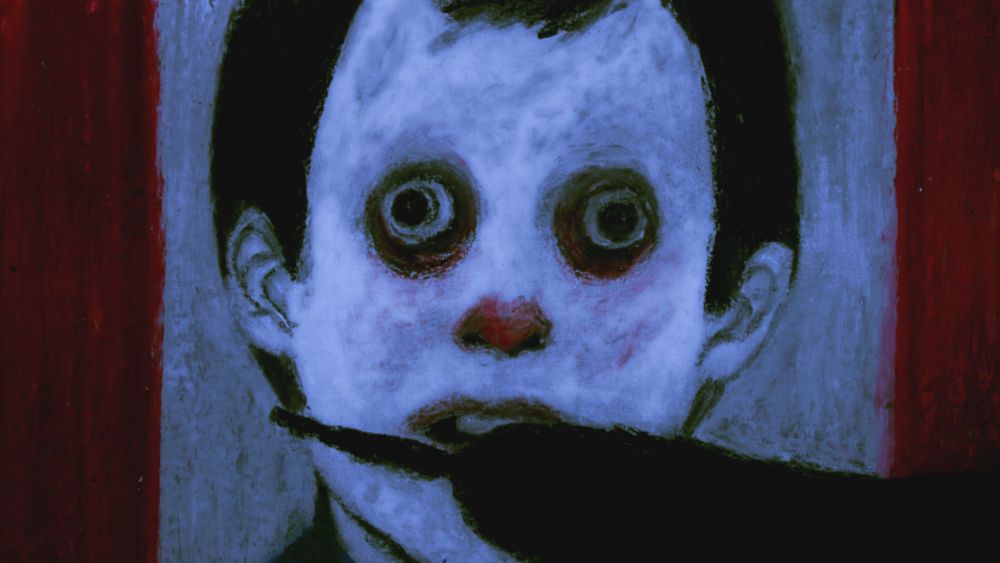
Boy meets girl, boy misunderstands girl and reconstructs his experience into a blend of memoir, experimental film, and animation.
Density of Emptiness Shirin Barghnavard / Germany/Iran/France 2023 / 20'11" / colour/black & white / Farsi / Exp/Doc
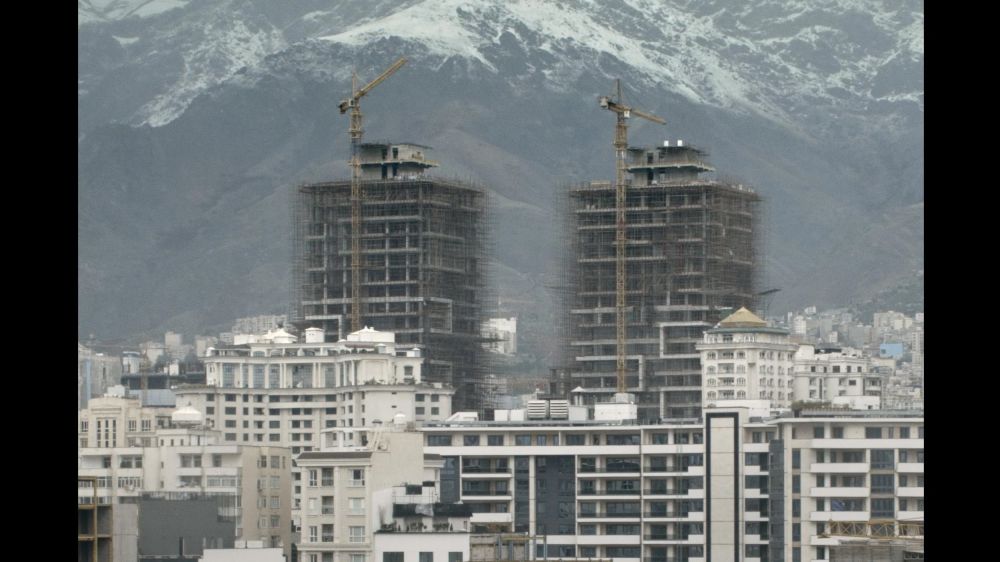
«Density of Emptiness» showcases the unbalanced density in the concept of place and the unbalanced division of space in the city of Tehran: a reality that the filmmaker exposes through a voice-over narration based on her research and by comparing photographs – taken ten years ago by an female Iranian photographer – of vulnerable women living in a semi-public shelter in a poor neighbourhood in southern Tehran with today's empty high-rise buildings in the northern districts of the city.
Every image has a frame. And each frame determines what is visible and what remains out of sight. This applies to news reporting as much as to cinema. How Iran is framed, which stories are told, and what becomes visible depends on historical and political contexts.
Iran has been shaped by profound political and social changes. Over the course of a century, the country has experienced two revolutions: the Constitutional Revolution of 1905–06 and the Islamic Revolution of 1979. The empowerment of social groups defined these movements as much as the repeated influence exerted by imperial and ideological forces. The country’s political situation and perceptions of Iran have had a lasting impact on both domestic and diasporic filmmaking.
At least since the spring of 2026, the world’s attention has once again turned towards Iran, as war is shaking the country to its foundations. Our Focus programme Shifting Grounds – Framing Iran takes this as an occasion to challenge Eurocentric views of the country and to sharpen our awareness of the complexity of Iranian cinema and society – a complexity that defies simple explanations.
This Focus on Iranian cinema emerged from a collaboration between two non-Iranians and one Iranian curator. We conceive of «Iranian cinema» not as a fixed category, but rather as a perspective shaped by a range of attributions, contexts, and experiences. Questions about production conditions, the diaspora, and national identity intersect with interrogations of Western views and narrative patterns. What is perceived as Iranian cinema emerges from the interplay of festival practices, audience expectations, and cinematic self-representation. These diverse perspectives and their connections served as the starting point for this collaborative curation.
Six programmes bring together historical and contemporary works created in Iran and the diaspora, combining various documentary, fictional, and experimental forms. They range from the imagery of oil to issues of identity and self-determination outside social norms, from myth and reality to diverse forms of resistance. Works from the independent Cinema-ye Azad film movement of the 1970s are also represented. Many of the films navigate the space between inside and outside – between national borders, real walls, and fictional spaces, as well as the invisible borders in people’s minds.
The focus is not on the country itself, but on how Iran is seen, narrated, and imagined – and how cinema can keep reframing these images.
Vincent Förster, Lynn Gerlach, Afsun Moshiry
Outsiders: The Politics of Care
Throughout the history of Iranian cinema, female filmmakers have shown a remarkable sensitivity toward those who exist at the margins of society. Rather than focusing on heroic figures or social majorities, their films turn to those whose lives remain unseen: girls deprived of agency, women rendered invisible by social structures, and those excluded because of illness, class, or circumstance. In these works, the outsider is never reduced to a social category but serves as the emotional and ethical centre of the films.
In «Galin», a young girl is forced into marriage by her father, whose addiction turns his daughter into a bargaining chip. As one of very few films directed by a woman before the 1979 Revolution and produced in Tabriz rather than Tehran, it remains a remarkable yet largely overlooked work in Iranian cinema. Originally made as a silent film, «Galin» will be presented with a new live score, reimagining its sound for contemporary audiences. «Crab» uses the quiet disappointment of a shy boy, cast only as a crab in his school theatre group, for a tender reflection on exclusion, vulnerability, and the longing to belong. In «Spotted Yellow», a young girl’s wandering through the city becomes an allegory of displacement. Her identification with a giraffe – an animal that appears out of place and increasingly vulnerable in a changing climate – transforms personal alienation into an ecological and existential condition. Among the most significant works in Iranian cinema is Forough Farrokhzad’s «The House Is Black» (1962). Set in the Baba Baghi leper colony near Tabriz, Farrokhzad’s only film refuses to sensationalize disease. Through a remarkable interplay of documentary observation, poetry, and passages from the Bible, the Qur'an, and her own writing, she restores dignity to a community long excluded from society, revealing beauty, vulnerability, and humanity where others saw only stigma. «Density of Emptiness» brings this perspective into present-day Tehran. By observing women in shelters, whose lives unfold at the margins of visibility, the film exposes the city's deep social inequalities. Across these works, marginalization is never treated as spectacle. Instead, it serves as a way to reveal the social, familial, and political structures that produce exclusion while reclaiming the dignity of those who remain unseen. The outsider is not simply a figure at the edge of society, but a figure through whom society itself comes into focus.
Internationale Kurzfilmtage Winterthur is Switzerland’s major short film festival. For six days every November, we transform the city into a dynamic short film hub.
Kurzfilmtage offers discoveries for everyone: our thoughtfully compiled thematic programmes address current events or topics that our curators are passionate about. The competition programmes showcase the latest filmmaking from around the globe, while installations, performances, and other specials highlight the diversity of audiovisual forms. And a programme of special events including concerts, readings, and more enhance the festival experience.
The programme of the 30th Kurzfilmtage will be released on 14 October 2026.
A short film is not just a shorter film. Shorts are a distinct art form, which we showcase at our annual festival.
Short films come in all shapes and genres, and how long – or short – they are, varies quite a bit. Simpler production processes allow filmmakers to capture the zeitgeist and quickly respond to trends. Shorts can be entertaining or surprising, they can analyse society, take a political stance, or offer glimpses of worlds unknown to us.
We compile our short films into thematic programmes or specific sections, such as our competitions, paying close attention to the selection and sequence of films in each programme. All you need to enjoy short films is an open mind for new discoveries and surprises.
Competitions
Recent short films from around the world. The best shorts will be presented with awards on Sunday evening.
Hors Concours
Recent short films from Zurich, Switzerland, and around the world screened out of competition.
Focus
Films that explore a region, a social phenomenon, or an artistic trend.
Person in Focus
A spotlight on the work of a filmmaker.
Special Programmes
Short film programmes dedicated to topics that our curators are passionate about – or that are simply fun.
Family Programmes
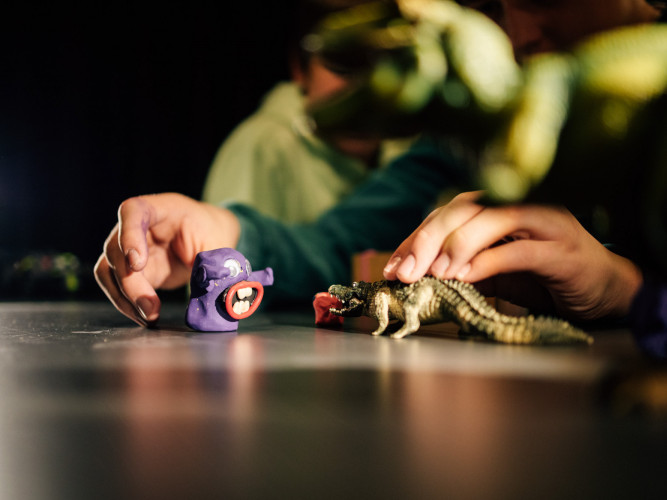
Short film fun for young viewers aged 6+ and for the whole family.
Expanded Cinema
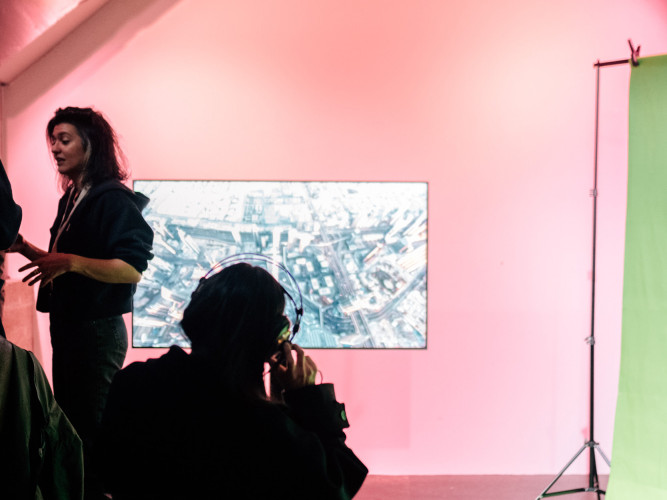
Installations, performances, and exhibitions present the medium of film in unfamiliar forms.
Special Events
Concerts, parties, readings, and many other events enhance the festival experience.
Talks & Panels
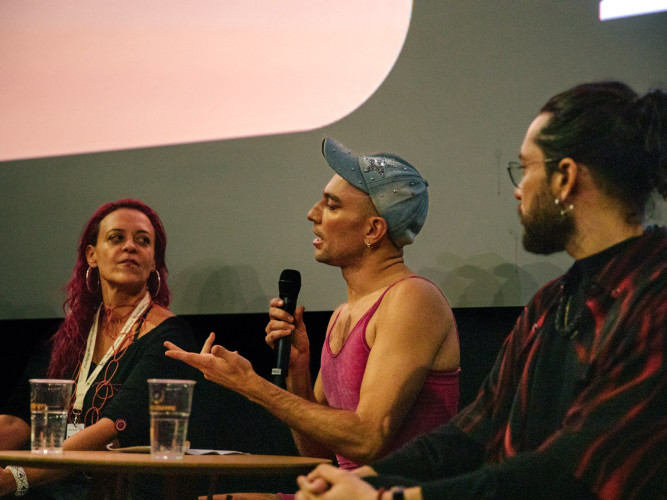
Moderated talks and panels after the screenings offer additional context and insight into films and themes.
Industry Events
A wide range of educational events and networking opportunities.