Ce site utilise des cookies pour l'analyse anonyme des visiteurs et pour désactiver ce message dès son acceptation. Aucune donnée personnelle ou d'identification n'est collectée.
The competition programmes feel the pulse of current global filmmaking, transforming the city into an international short film hub for six days. The best works from all competition categories will be honoured with prizes at the Award Ceremony on Sunday.
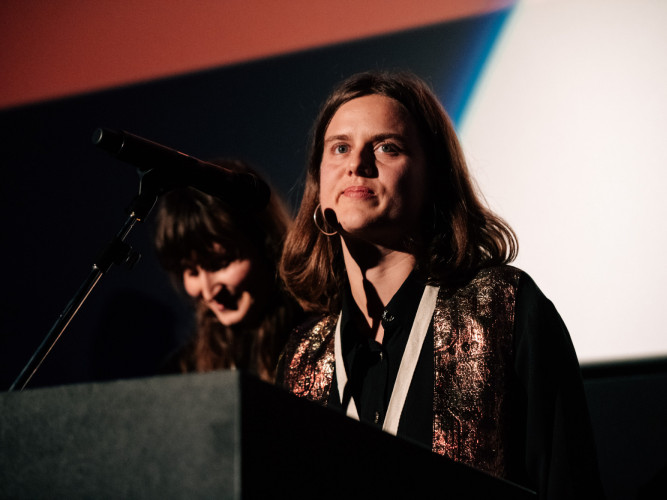
Here we present the latest national short films. Once again, the Swiss selection includes numerous premieres, offering plenty of room for discoveries. Join us on Sunday at the Award Ceremony to witness how the jury awards various prizes to the best films of this year’s festival edition.
With the Sparks programmes, we hope to spark a passion for the medium of short film. Featuring highlights from this year’s submissions, Sparks I & II are competition programmes that represent a broad range of current filmmaking. The selection is meant to appeal to multigenerational audiences and inspire discussion. Showcasing a diverse film culture beyond the mainstream and YouTube clips, the programmes offer an ideal introduction to the world of shorts. At the Award Ceremony on Sunday, the youth jury will award the prize for the best film from the Sparks section.
Kurzfilmtage’s annual Swiss Film School Day is a showcase of Switzerland’s six undergraduate degree programmes. Ecole cantonale d’art de Lausanne (ECAL), the Geneva University of Art and Design (HEAD), the Zurich University of the Arts (ZHdK), the Lucerne School of Design, Film and Art – Video/Animation, and the International Academy of Audiovisual Sciences (CISA) present a selection of their recent short films in three sessions followed by film talks led by Filmexplorer. Admission to the Swiss Film School Day is free – a great opportunity to get a first glimpse of Kurzfilmtage!
Iran has been shaped by profound political and social changes, that have had a lasting impact on both domestic and diasporic filmmaking. The Focus: Shifting Grounds – Framing Iran takes this as an occasion to sharpen our awareness of the complexity of a cinema that defies simple explanations. Six programmes bring together historical and contemporary works created in Iran and the diaspora. These range from the imagery of oil to questions of identity and self-determination outside social norms, from myth and reality to diverse forms of resistance and works of the independent film movement Cinema-ye Azad of the 1970s. The films combine documentary, fictional and experimental forms. The focus is not on the country itself, but on how Iran is seen, narrated, and imagined – and how cinema can keep reframing these images.
Some films tell stories, while others tell us about cinema itself. To mark the 30th anniversary of Kurzfilmtage, this Focus is dedicated to the medium itself. Across three programmes, these short films explore filmmaking, its emotional power, and ways of thinking in images. This is our love letter to film and to all it entails – the magic of making, feeling, and thinking cinema. For the Love of Cinema.
What if the future is already here? Gala Hernández López explores the strange worlds where technology, money, and desire meet – from incels and crypto dreams to cryonics, self-optimization, and the possibility of controlling our dreams. Moving between documentary and science fiction, her films reveal how digital fantasies become real desires, markets, and infrastructures, asking whether we still dream of the future, or whether our systems have begun to dream for us.
This section showcases recent short films from Zurich, Switzerland, and around the world screened out of competition. For short film buffs who are unafraid of strange or profound works with cult potential – discover some rare finds from our treasure chest!
This section presents programmes on topics that our curators are passionate about or that are simply fun. From historical works calling for social cohesion or exploring how we deal with memory to perspectives on femininity and shorts that let us experience moments of cringe: there’s a lot to discover in our Special Programmes.
Stories for children aged 6+ kindle curiosity, empathy, and creativity, eliciting a sense of wonder. And our selection of serious, amusing, and exciting shorts for kids aged 9+ inspires discussion, offering families a great introduction to the universe of short films. In collaboration with the Magic Lantern, Kurzfilmtage offers a unique filmgoing experience for young viewers and their families.
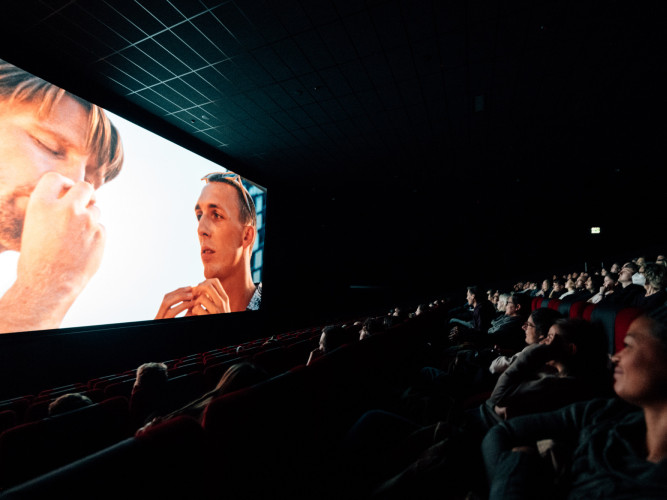
Whether with our festive Opening, a moving Award Ceremony, or the Best of programmes on Sunday – we open and close Kurzfilmtage in style. Together with filmmakers, audiences, and partners, we celebrate the art of short film, showing that shorts are made for the big screen.
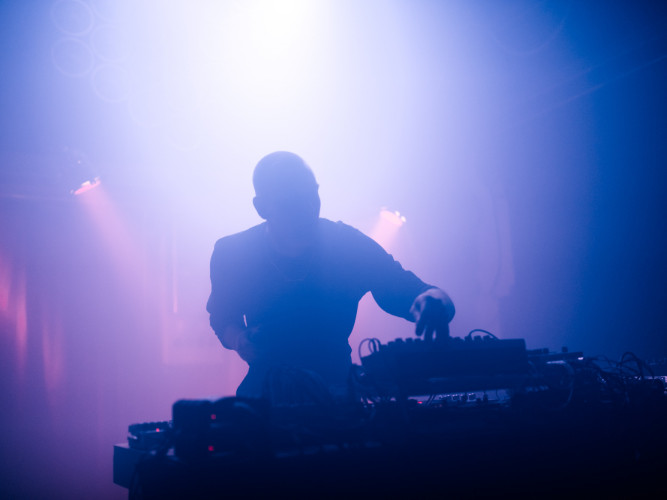
From the cinema to the dance floor: Kurzfilmtage invites you to shake a leg to live bands and DJs. Concerts and parties – including our legendary closing party – round off the festival experience. Kraftfeld has once again compiled a delicious programme for night owls. Come, listen, dance!
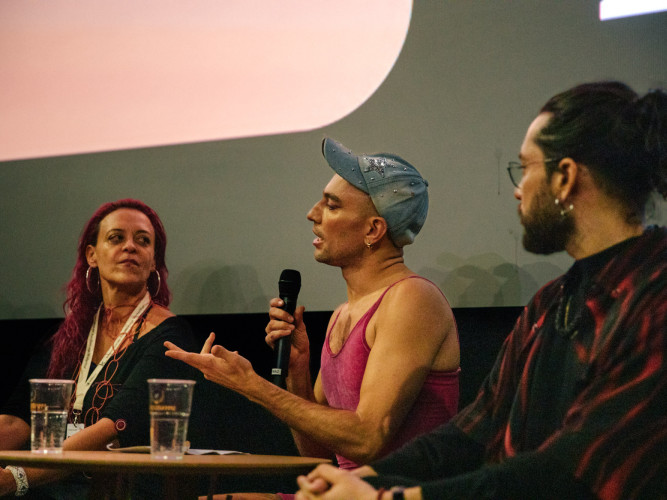
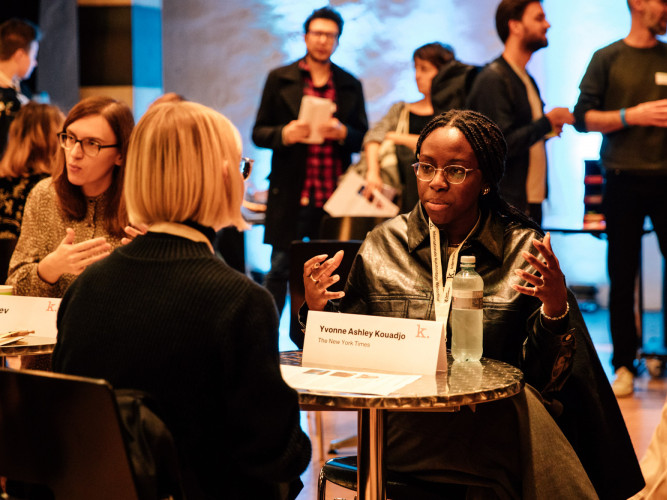
Kurzfilmtage’s Industry Events consist of the Swiss Film School Day, the Industry Lab, and the Creators’ Room. They offer film professionals an opportunity for networking and for discussing current issues, creative methods, and aesthetic trends.
This programme brings together Iranian works that explore the tenacious quest for freedom between waiting and action, persistence and subversion. With documentary urgency and artistic experimentation, the films tell stories of people who resist political violence, state control, and silence. The works show resistance as a lived practice – both on the streets and in private – and leave the door open for a future that is not accepted as already decided.
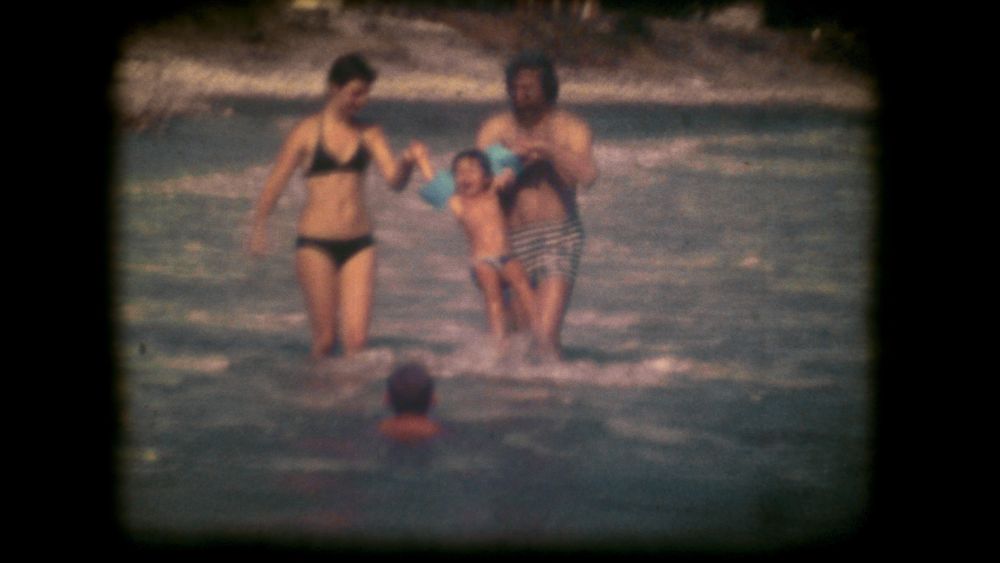
Have you kept a record of your gray hair? The number of houses you have owned or rented? The number of kisses you have exchanged? The number of times you've flown in your dreams? You may not have. It makes no real difference in a life lived beyond numbers.
And Me, I'm Dancing Too Mohammad Valizadegan / Iran/Czech Republic/Germany 2023 / 20'33" / DCP / colour / Farsi / Fic/Doc
With rhythmic fluidity, Saba's body moves to the music. Dancing is what she lives for, how she expresses herself – yet she is not free to do so in her own country. In a film dancing the line between documentary and fiction, a moving portrait emerges of a generation of young Iranians hemmed in by the Islamic republic's rigid rules.
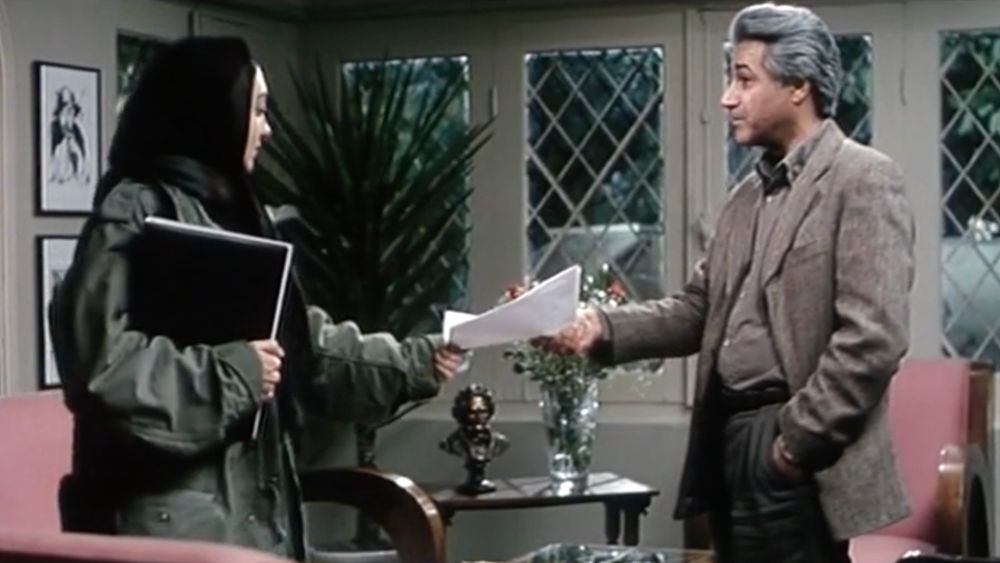
«Nazarbazi» («The Play of Glances») is a film about love and desire in Iranian cinema where depictions of intimacy and touch between women and men are prohibited. The film focuses primarily on images of women whose bodies have been erased and victimized in post-revolution cinema.
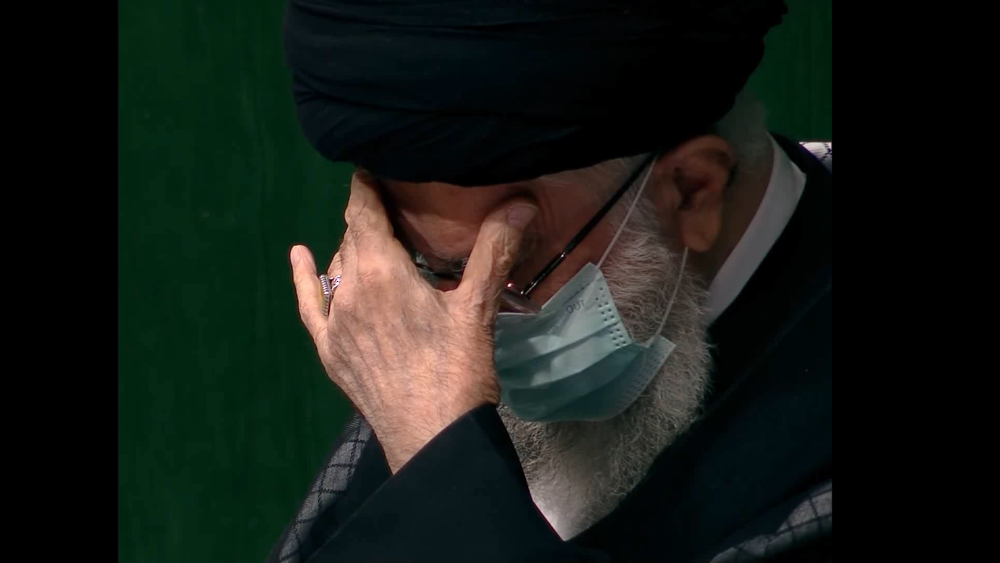
The website of Ali Khamenei, Iran’s supreme leader, is crammed with filmed sermons and speeches. Appropriating these official archives, Saleh Kashefi – exiled in Switzerland – has created a political fiction that is both hard-hitting and ambiguous. We bear direct witness to the dictator’s last moments before his downfall, as whispers fill the streets.
Memories of a Window Mehraneh Salimian/Amin Pakparvar / Iran/Germany/USA 2026 / 19' / DCP / colour/black & white / Persian / Doc
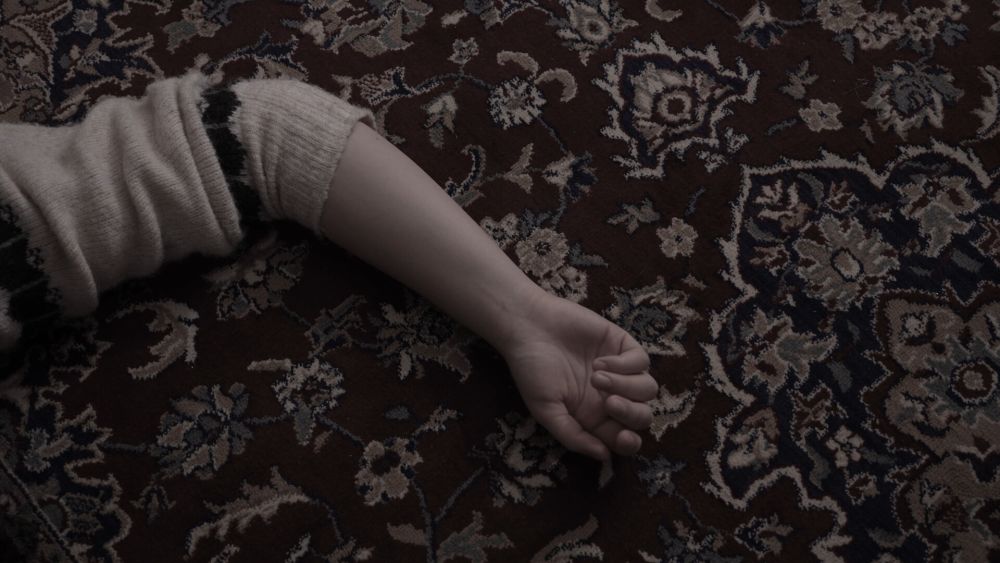
Following crackdowns on protests in Iran, civilians begin documenting the unrest from behind windows. When a woman is shot while recording, a film student writes her a letter raising the question: Can revolution emerge from behind windows?
Every image has a frame. And each frame determines what is visible and what remains out of sight. This applies to news reporting as much as to cinema. How Iran is framed, which stories are told, and what becomes visible depends on historical and political contexts.
Iran has been shaped by profound political and social changes. Over the course of a century, the country has experienced two revolutions: the Constitutional Revolution of 1905–06 and the Islamic Revolution of 1979. The empowerment of social groups defined these movements as much as the repeated influence exerted by imperial and ideological forces. The country’s political situation and perceptions of Iran have had a lasting impact on both domestic and diasporic filmmaking.
At least since the spring of 2026, the world’s attention has once again turned towards Iran, as war is shaking the country to its foundations. Our Focus programme Shifting Grounds – Framing Iran takes this as an occasion to challenge Eurocentric views of the country and to sharpen our awareness of the complexity of Iranian cinema and society – a complexity that defies simple explanations.
This Focus on Iranian cinema emerged from a collaboration between two non-Iranians and one Iranian curator. We conceive of «Iranian cinema» not as a fixed category, but rather as a perspective shaped by a range of attributions, contexts, and experiences. Questions about production conditions, the diaspora, and national identity intersect with interrogations of Western views and narrative patterns. What is perceived as Iranian cinema emerges from the interplay of festival practices, audience expectations, and cinematic self-representation. These diverse perspectives and their connections served as the starting point for this collaborative curation.
Six programmes bring together historical and contemporary works created in Iran and the diaspora, combining various documentary, fictional, and experimental forms. They range from the imagery of oil to issues of identity and self-determination outside social norms, from myth and reality to diverse forms of resistance. Works from the independent Cinema-ye Azad film movement of the 1970s are also represented. Many of the films navigate the space between inside and outside – between national borders, real walls, and fictional spaces, as well as the invisible borders in people’s minds.
The focus is not on the country itself, but on how Iran is seen, narrated, and imagined – and how cinema can keep reframing these images.
Vincent Förster, Lynn Gerlach, Afsun Moshiry
Unfinished Futures
The future, not as a promise, but as something to be claimed and reclaimed again and again: balancing between waiting and action, persistence and subversion, this programme brings together fictional, documentary, and essayistic works about the tenacious pursuit of freedom.
The films examine political violence, religious influence, and the impacts of state control, as they intrude deeply into private life.
«Subtotals» attempts to make loss tangible through numbers: the statistics of life serve as a gauge of highs and lows. «And Me, I’m Dancing Too» is a feminist act of resistance through dance. «Nazarbazi» also explores the forbidden. Fragments of footage from Iranian film history create a poetic exploration of desire, touch, and the reclaiming of bodily autonomy.
Archival material, private images, and found footage are combined into powerful testimonies of collective memory. «And How Miserable Is the Home of Evil» reinterprets official imagery of Iran’s Supreme Leader Ali Khamenei as a vision for the end of tyranny. In «Memories of a Window», anonymous footage of the brutal suppression of street protests transforms private into political space. Every image seems to ask: can a revolution begin behind a window?
A programme about people who refuse to accept the future as already decided, who leave space for possibility, and whose struggles continue to this day.
Les Internationale Kurzfilmtage Winterthur représentent le plus important festival de courts métrages en Suisse. Chaque mois de novembre, Winterthour se transforme en métropole du court métrage pendant six jours.
Le programme des 31ᵉ Kurzfilmtage sera annoncé le 20 octobre 2027.
Des courts métrages actuels du monde entier. Les œuvres les plus prometteuses seront récompensées le dimanche soir.
Hors Concours
Des courts métrages actuels zurichois, suisses et internationaux diffusés en dehors de nos compétitions.
Focus
Une analyse en images d’une région, d’un phénomène social ou d’une tendance artistique.
Focus sur une personne
L’œuvre d’un·e cinéaste est mise sur le devant de la scène.
Programmes spéciaux
Des programmes de courts métrages sur des thématiques brûlantes, ou simplement divertissantes.
Programmes familiaux
Des courts métrages pour les jeunes dès 6 ans et toute la famille.
Expanded Cinema
Des installations, des performances et des expositions qui font découvrir au public des formes de cinéma inhabituelles.
Programme d’événements
Des concerts, des soirées, des lectures et de nombreux autres événements qui complètent l’expérience du festival.
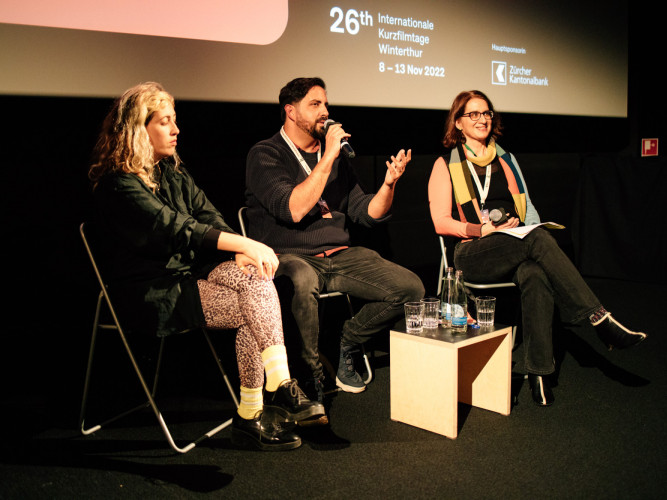
Discussions et podiums
Des discussions et des tables rondes animées durant lesquelles l'art du cinéma ou des thématiques précises sont approfondis.
Industry Events
Un large éventail d’événements d’information, de formation et de réseautage.
Le court métrage
Le court métrage n’est pas juste un film «court». C’est une forme d’art à part entière à laquelle nous consacrons chaque année un festival.
Il existe des courts métrages de tous genres et de toutes longueurs. Grâce à des voies de production facilitées, il permet de capter rapidement une époque et de l’illustrer. Il divertit, surprend, analyse lasociété, exprime une opinion politique ou donne un aperçu de mondes étrangers.
Nous rassemblons nos courts métrages pour créer des programmes thématiques ou des sections – comme nos compétitions – et nous les projetons dans un ordre bien précis. Pour apprécier le court métrage, il suffit d’être curieux, d’avoir envie de faire des découvertes et de se laisser surprendre.