This programme takes viewers on a journey through a world where memories linger on, stories travel, and reality meets myth. Between personal destinies and collective experiences, powerful narratives unfold about loss, belonging, and the traces people leave behind. Poetic imagery and mysterious atmospheres weave past, present, and legend into a multilayered panorama of Iran.
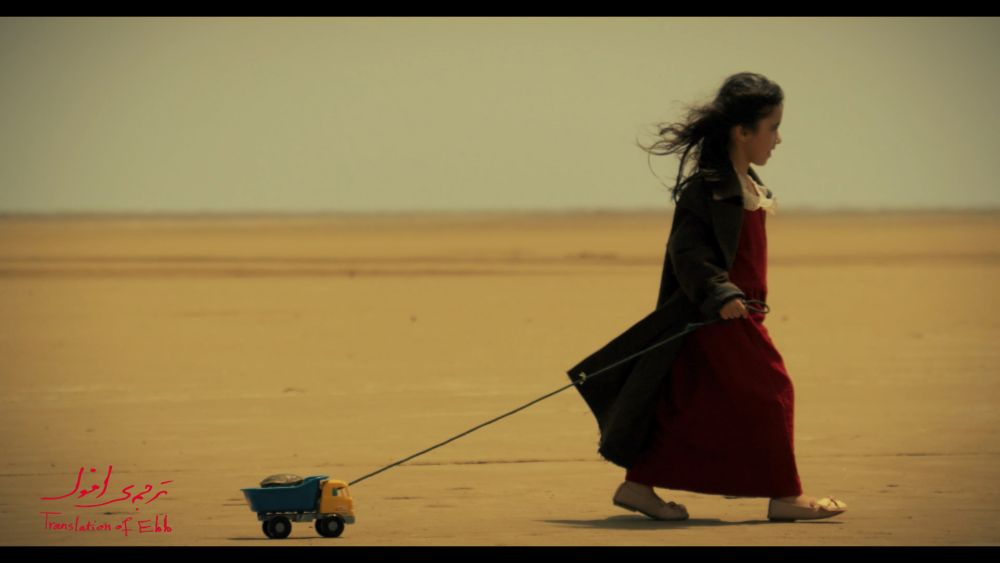
Why should you be afraid? People who play with the glory of the sea do so to get closer to fear. This is the story of a family who loves fear and destruction. Fear is the most honest emotion and reminds us of absence and destitution.
This poetic assemblage follows a filmmaker couple on the island of Hormuz during the month of Muharram, when Shia Muslims undertake a prolonged period of mourning for the death of Imam Hossein, a religious figure who later became a source of inspiration for Safavit imperial projects. The couple trace various microhistories attributed to missing sailors and bring into focus the occult of Portuguese colonial myths related to the island’s legendary iron-rich, edible red soil.
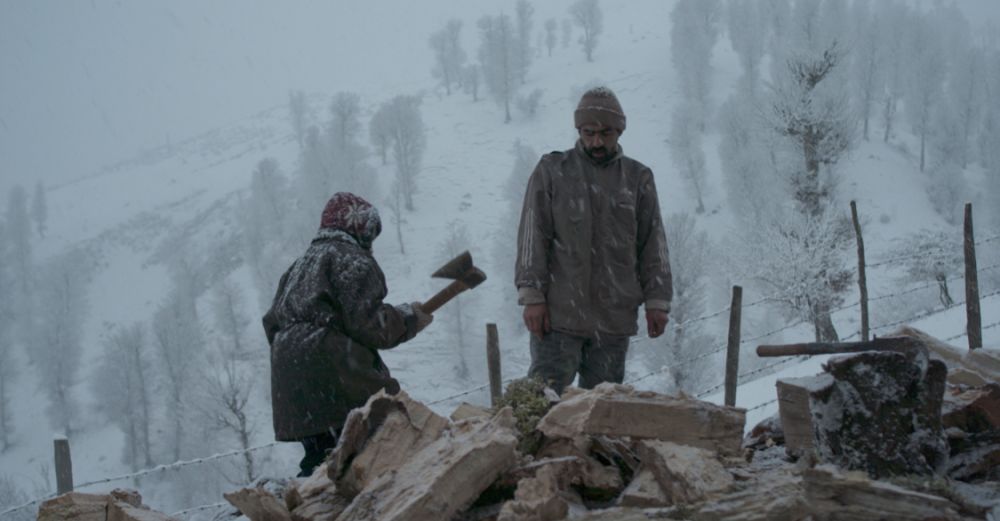
Winter has descended on a mountain village in Northern Iran. Still in serious condition, Ehsan’s brother returns from the hospital as snow falls. While the mysterious apparition of a deer in the nearby forest causes a stir in town, Ehsan grows increasingly worried about his brother. An ancient legend tells of an angel of death that takes on different forms. When the deer appears at the window in the dead of night, Ehsan sets off to save his brother.
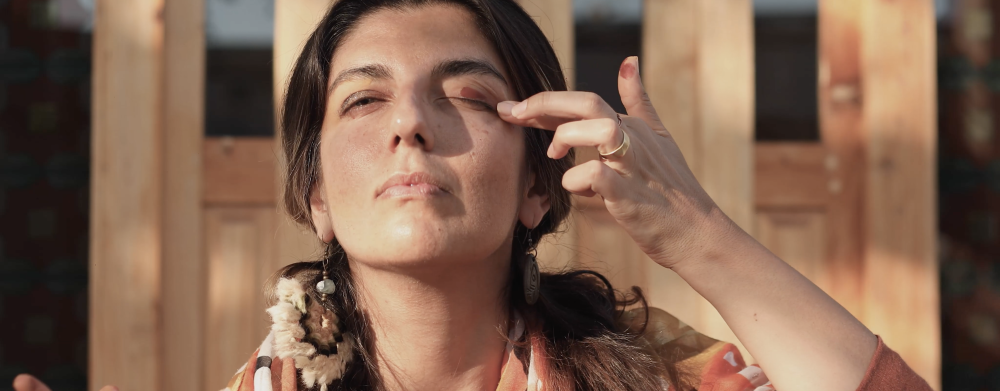
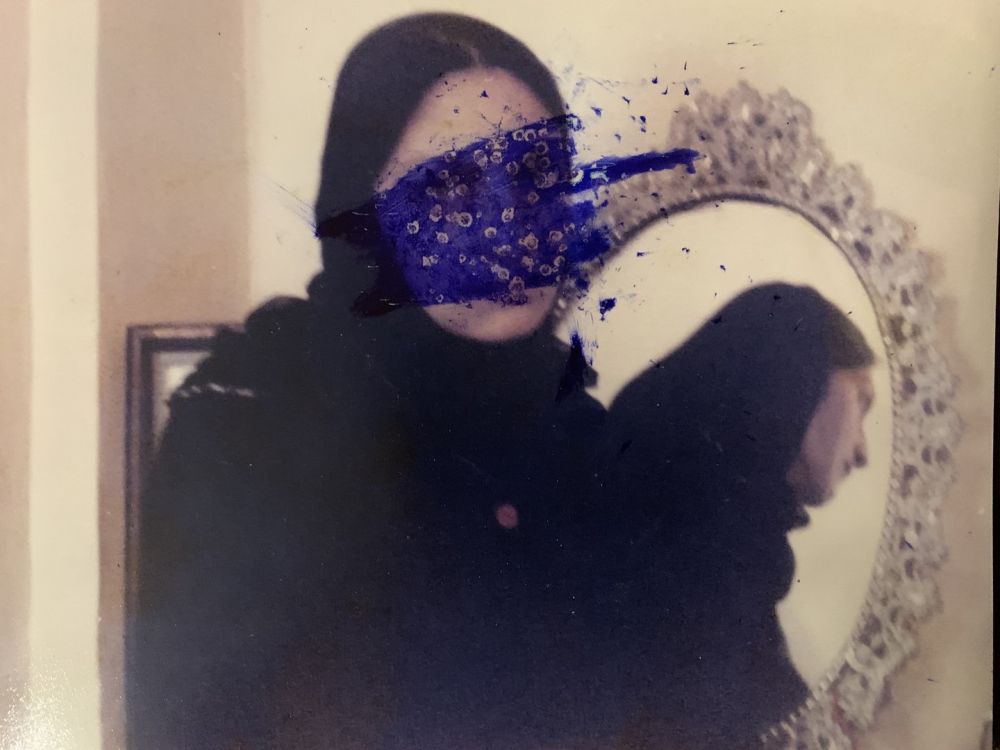
I Am Trying to Remember Pegah Ahangarani / Iran/Czech Republic 2021 / 15'33" / DCP / colour / Farsi / Doc
I asked: «Why have they erased you?» He said: «Maybe they are scared.» I said: «Whoever is scared, should erase themselves.» He said: «In that case, the faces of the living would all be gone and only the dead would remain.»
City of Poets Sara Rajaei / Netherlands 2024 / 21'22" / DCP / colour/black & white / Farsi/English / Doc
In a small, semi-utopian city, all the streets are named after poets. When war begins, new neighborhoods emerge to accommodate the refugees. The streets are renamed after fallen soldiers. Soon, the citizens find themselves lost amid the memories of the forgotten poets.
Every image has a frame. And each frame determines what is visible and what remains out of sight. This applies to news reporting as much as to cinema. How Iran is framed, which stories are told, and what becomes visible depends on historical and political contexts.
Iran has been shaped by profound political and social changes. Over the course of a century, the country has experienced two revolutions: the Constitutional Revolution of 1905–06 and the Islamic Revolution of 1979. The empowerment of social groups defined these movements as much as the repeated influence exerted by imperial and ideological forces. The country’s political situation and perceptions of Iran have had a lasting impact on both domestic and diasporic filmmaking.
At least since the spring of 2026, the world’s attention has once again turned towards Iran, as war is shaking the country to its foundations. Our Focus programme Shifting Grounds – Framing Iran takes this as an occasion to challenge Eurocentric views of the country and to sharpen our awareness of the complexity of Iranian cinema and society – a complexity that defies simple explanations.
This Focus on Iranian cinema emerged from a collaboration between two non-Iranians and one Iranian curator. We conceive of «Iranian cinema» not as a fixed category, but rather as a perspective shaped by a range of attributions, contexts, and experiences. Questions about production conditions, the diaspora, and national identity intersect with interrogations of Western views and narrative patterns. What is perceived as Iranian cinema emerges from the interplay of festival practices, audience expectations, and cinematic self-representation. These diverse perspectives and their connections served as the starting point for this collaborative curation.
Six programmes bring together historical and contemporary works created in Iran and the diaspora, combining various documentary, fictional, and experimental forms. They range from the imagery of oil to issues of identity and self-determination outside social norms, from myth and reality to diverse forms of resistance. Works from the independent Cinema-ye Azad film movement of the 1970s are also represented. Many of the films navigate the space between inside and outside – between national borders, real walls, and fictional spaces, as well as the invisible borders in people’s minds.
The focus is not on the country itself, but on how Iran is seen, narrated, and imagined – and how cinema can keep reframing these images.
Vincent Förster, Lynn Gerlach, Afsun Moshiry
No Faith in Ghosts
Straddling memory and imagination, this programme brings together Iranian voices and images that resist erasure.
Fictional and documentary works take us from the coast to the highlands of Iran. They portray crafts and traditions that connect people across generations, blending personal memories with collective narratives, art and poetry with myths and ghost stories. Legends guide us through highs and lows, while nature becomes a space where desires, hopes, and perseverance resonate. The question of what is real and what exists only in our minds runs through the whole programme.
«Translation of Ebb» and «Perturbation» describe a deep connection with the sea and offer a perspective on the Strait of Hormuz as a centuries-old cultural landscape, whose relevance extends far beyond its current geopolitical significance. «Deer» takes us into tranquil mountain landscapes, where care, courage, and sibling love shape daily life.
Yellowing photo albums and family archives preserve memories while simultaneously revealing their fragility. «I Am Trying to Remember» follows the director’s attempt to trust her childhood memories before they fade away completely, whereas «City of Poets» is a parable of a society that is increasingly moving away from its cultural roots and submitting to state control.
The stories compiled here demonstrate the power of storytelling to defy oblivion.
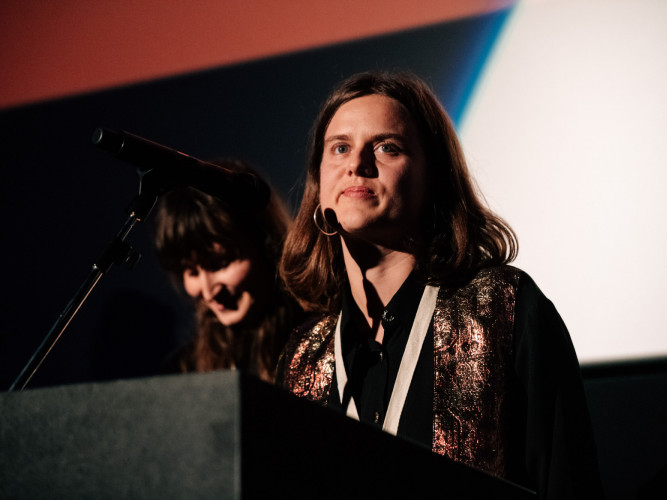
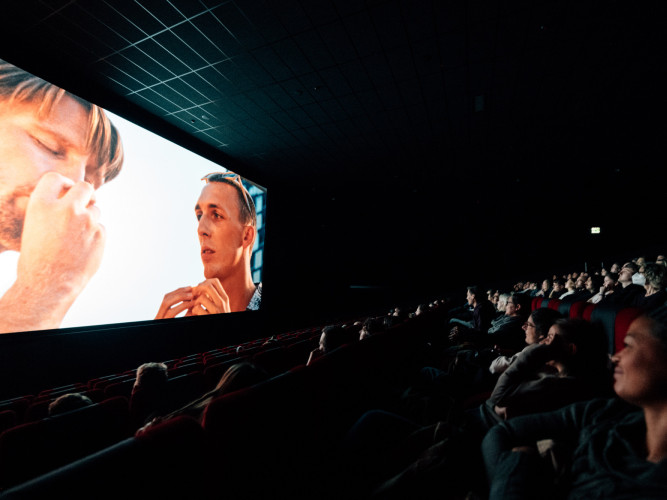
Internationale Kurzfilmtage Winterthur is Switzerland’s major short film festival. For six days every November, we transform the city into a dynamic short film hub.
Kurzfilmtage offers discoveries for everyone: our thoughtfully compiled thematic programmes address current events or topics that our curators are passionate about. The competition programmes showcase the latest filmmaking from around the globe, while installations, performances, and other specials highlight the diversity of audiovisual forms. And a programme of special events including concerts, readings, and more enhance the festival experience.
The programme of the 30th Kurzfilmtage will be released on 14 October 2026.
A short film is not just a shorter film. Shorts are a distinct art form, which we showcase at our annual festival.
Short films come in all shapes and genres, and how long – or short – they are, varies quite a bit. Simpler production processes allow filmmakers to capture the zeitgeist and quickly respond to trends. Shorts can be entertaining or surprising, they can analyse society, take a political stance, or offer glimpses of worlds unknown to us.
We compile our short films into thematic programmes or specific sections, such as our competitions, paying close attention to the selection and sequence of films in each programme. All you need to enjoy short films is an open mind for new discoveries and surprises.
Competitions
Recent short films from around the world. The best shorts will be presented with awards on Sunday evening.
Hors Concours
Recent short films from Zurich, Switzerland, and around the world screened out of competition.
Focus
Films that explore a region, a social phenomenon, or an artistic trend.
Person in Focus
A spotlight on the work of a filmmaker.
Special Programmes
Short film programmes dedicated to topics that our curators are passionate about – or that are simply fun.
Family Programmes
Short film fun for young viewers aged 6+ and for the whole family.
Expanded Cinema
Installations, performances, and exhibitions present the medium of film in unfamiliar forms.
Special Events
Concerts, parties, readings, and many other events enhance the festival experience.
Talks & Panels
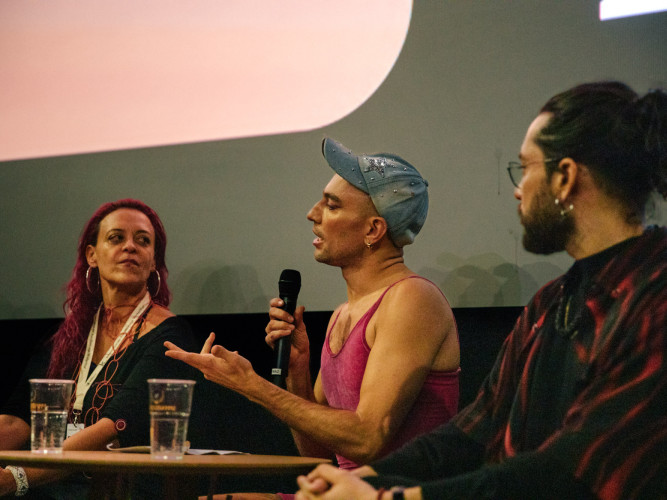
Moderated talks and panels after the screenings offer additional context and insight into films and themes.
Industry Events
A wide range of educational events and networking opportunities.