Films don’t remain confined to the screen. They seep into our memory, blend with our existing mental images, and become part of us – because cinema is hugely popular worldwide and has a profound impact on our society. We Feel Cinema explores this emotional resonance, looking at what films do to us, and what remains long after the lights have come back on.
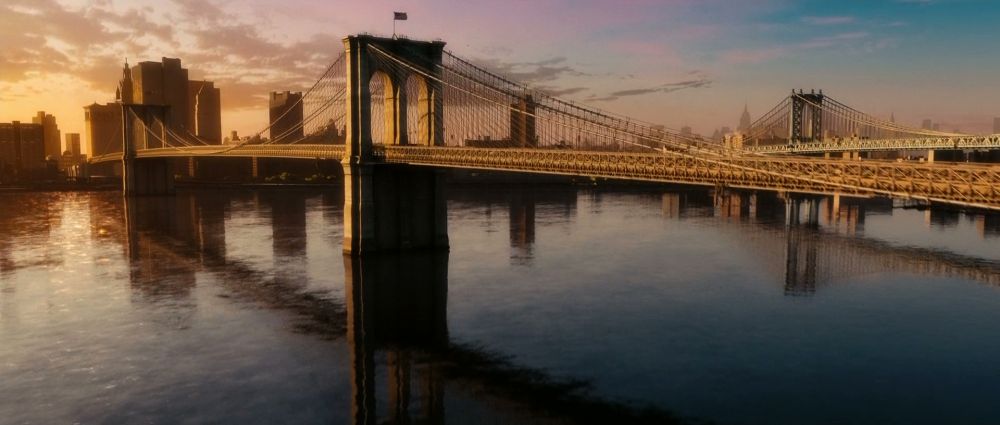
Twelve Tales Told Johann Lurf / Austria 2014 / 4' / colour / no dialogue / Exp
We’ve seen them thousands of times before. Time and again, they promise to transport us into the fantastical worlds of the film industry: the logos of the major Hollywood studios. What Johann Lurf does with them is both ingenious and characteristic: a fairy-tale disaster movie, a manipulative barrage of visual effects, a fusion that turns the senses upside down with a toxic ring. The film fuels the desire for a new story from the dream factory while simultaneously triggering aversion to its affective machinery of illusion.
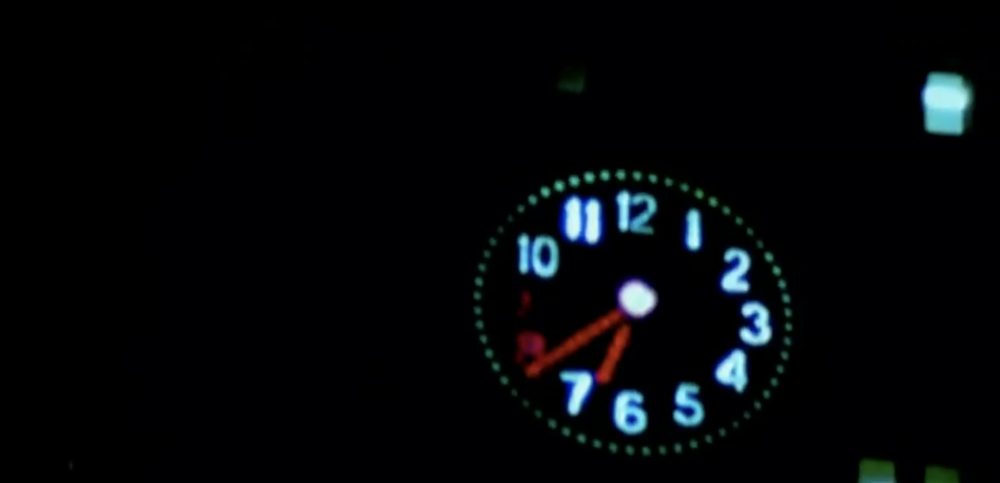
Correspondence 1989–1999 Daniel Cockburn / Canada/United Kingdom 2019 / 7'50" / colour/black & white / English / Exp
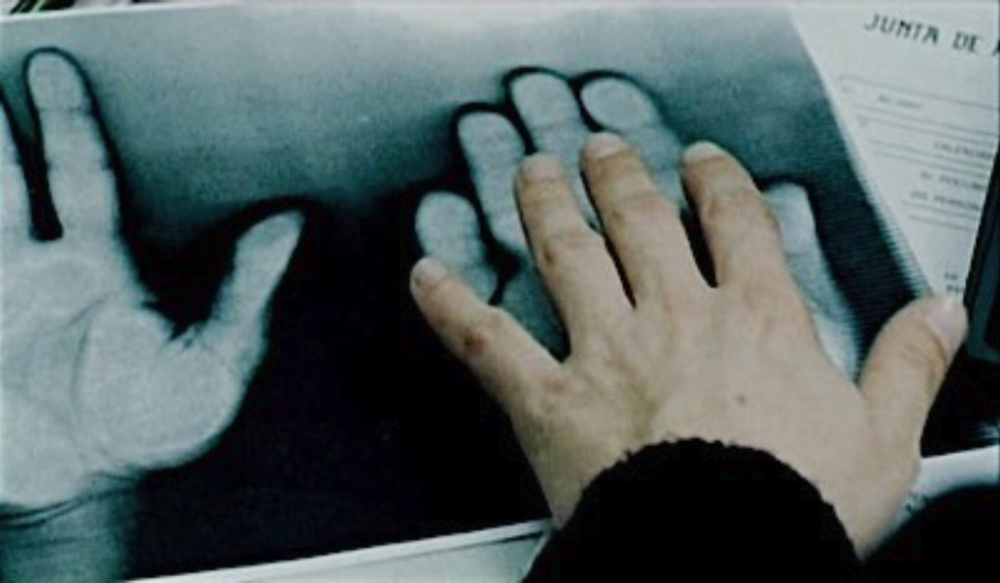
What made the 90s «the 90s»? Over the course of a ten-year postal correspondence, a pair of movie-going pen pals share their thoughts on some of 90s cinema’s key traits: the rise of video, the need for speed, and, of course, the cliff’s-edge sense of global dread. But do decades have «key traits» as they unfold? Or do we assign them these characteristics retroactively, trying to make sense of things in hindsight? Only Leonard Nimoy knows for sure.
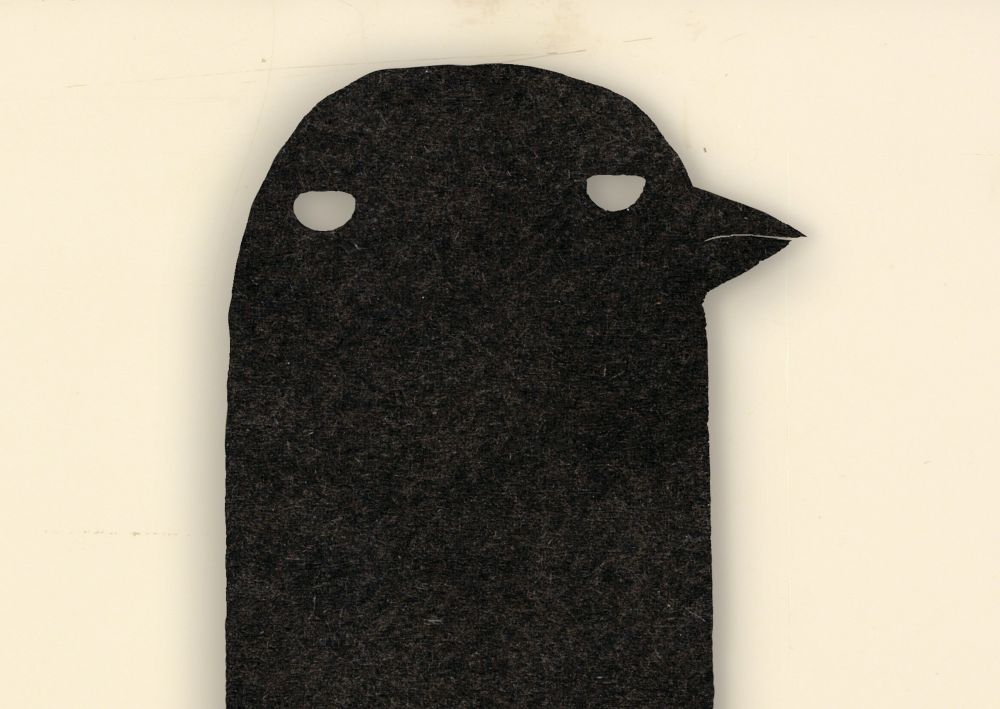
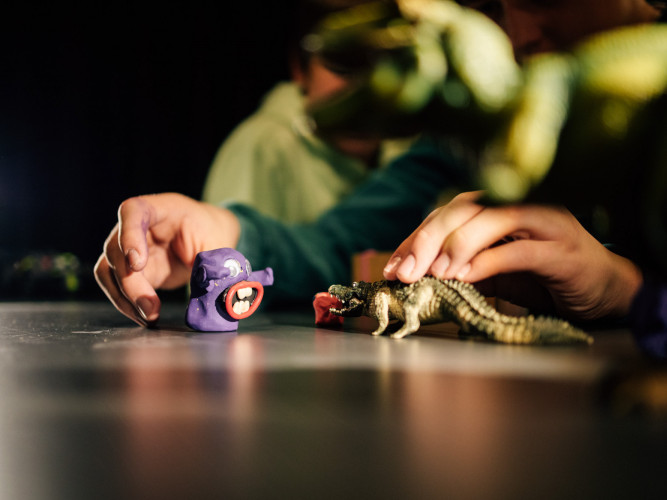
The Making of Longbird Will Anderson / United Kingdom 2011 / 15'18" / colour / English / Doc
An animator/filmmaker attempts to make his mysteriously long character relevant in the modern world. An extreme close-up, behind-the-scenes look as this animator/filmmaker struggles with his character.
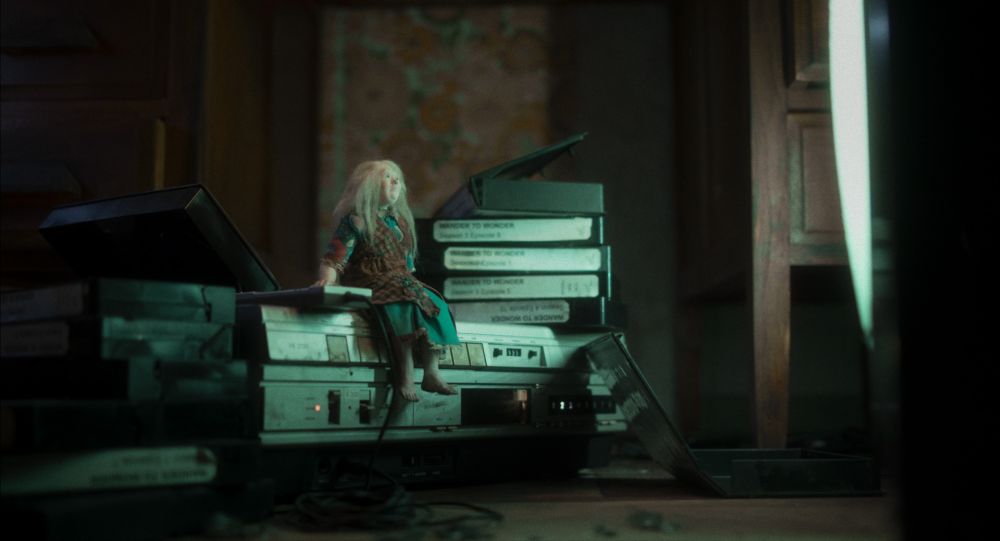
Wander to Wonder Nina Gantz / Netherlands 2023 / 13'50" / DCP / colour / English/French / Ani
Mary, Billybud, and Fumbleton are three miniature human actors who perform in a 1980s kids' TV series called «Wander to Wonder». After the creator of the series has died, they are left alone in the studio. With their slowly decaying costumes and growing hunger, they continue to make increasingly strange episodes for their fans.
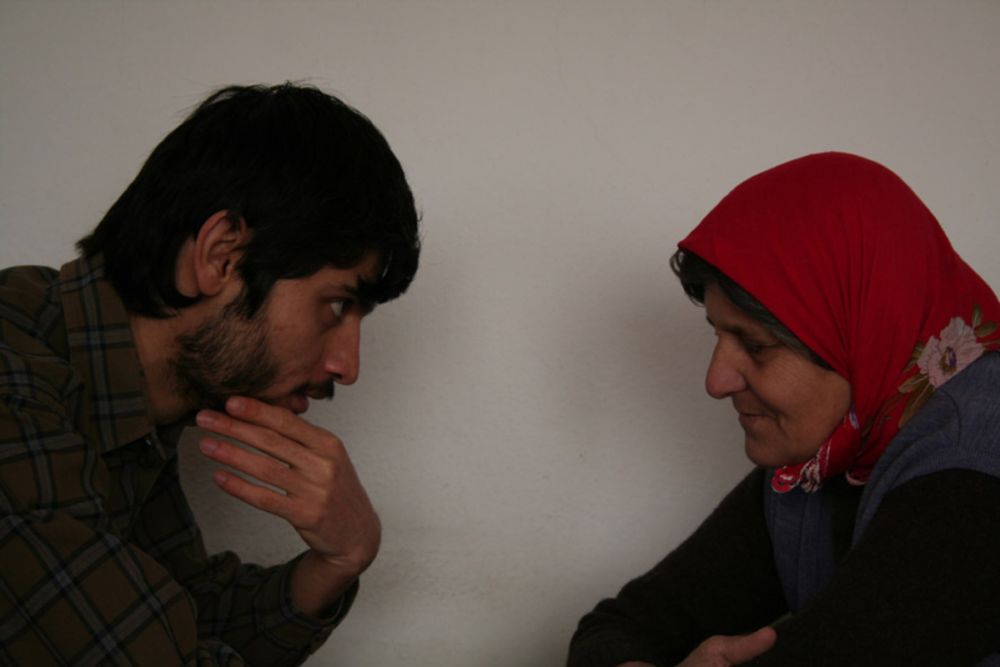
A short story about a son who wants to introduce his mother to the world of cinema; or, a short story about a mother who learns about the world of cinema from her son.
Tales of Us Oliver Pietsch / Germany 2014 / 28' / colour / English / Exp
«Tales of Us» explores the themes of desire, love, and togetherness throughout the history of cinema. Using film sequences ranging from independent cinema to Hollywood blockbusters, the film creates a chronological narrative from teenage to middle age to old age, navigating through a dreamlike state.
There are films that tell us a story, and there are films that show us how stories are told in the first place. So-called meta-cinema takes cinema itself as its subject: filmmaking and its apparatus, the acts of watching and being watched, ways of perceiving and thinking in moving images. These films point the camera at what we usually overlook because we’re so immersed in it, sitting in the dark, transfixed, staring at the screen. Meta-films reveal the seams, the tricks, the apparatus – but instead of demystifying the medium in the process, they make it all the more captivating.
Thus, we have chosen the theme of meta-cinema to mark the 30th anniversary of Internationale Kurzfilmtage Winterthur. Over the course of thirty editions, the festival has screened, defended, promoted, and cherished short films – so a Focus on the medium itself seems like an obvious choice. For the Love of Cinema is nothing more and nothing less than a love letter to film. A love rooted not so much in nostalgia, but in curiosity. To love cinema also means wanting to understand it: its mechanics, its emotional power, its influence on our worldview. We have compiled short films that share this love and bring it to life on screen. Some are tongue-in-cheek, some melancholy, and some radically inquisitive.
To love cinema also means wanting to learn from it. That’s why this Focus is structured around an idea formulated by the Swiss educator Johann Heinrich Pestalozzi. He conceived of learning as an interplay of hand, heart, and mind – a holistic approach to education that combines doing, feeling, and understanding. This triad lends itself well to cinema: every film is created by the hand that makes it, speaks to the heart it touches, and shapes the mind with which we interpret the world. This threefold structure is reflected in our three programmes: We Make Cinema, We Feel Cinema, and We Think Cinema.
It all starts with work. A film consists of craftsmanship. It is rehearsed, shot on set, edited, set to music, and brought to life by people we rarely see on-screen because they don’t appear in front of the camera. The first programme presents works about the process of filmmaking: about patience, skill, and the many hands that go into creating images.
Films don’t remain confined to the screen. They seep into our memory, blend with our existing mental images, and become part of us – precisely because (Western) film culture is so influential and popular worldwide and has such a profound impact on our society. The second programme is dedicated to cinema’s emotional resonance. It is about what films do to us, and what we carry within us as a result, long after the lights have come back on.
The way we think about reality – and the way we think in images – depends on how these images are created, framed, and asserted. The third programme takes the deeply rooted Western notion that seeing is believing and defines cinema itself as a school of thought. These films remind us that every image is a statement – and that seeing always also means thinking.
Our hope is to light a spark – for making, feeling, and thinking cinema. For the Love of Cinema.
John Canciani and Laura Walde
We Feel Cinema
We often remember our first trip to the cinema for the rest of our lives. Perhaps it is not the film itself that stays with us, but the feeling: the dark auditorium, the shared laughter, dread, and wonder, or the tears that suddenly flow naturally. Cinema socializes us. It shapes our understanding of what joy, fear, love, or loss feel like, and it creates lasting memories. Popular culture thus becomes something deeply personal.
The films in We Feel Cinema revolve around our special relationship with cinema. They explore how films are made, how we learn to read them, and how they become etched in our memories. Johann Lurf’s «Twelve Tales Told» reminds us how individual images can evoke entire stories and complex emotions. In Daniel Cockburn’s «Correspondence 1989–1999», the cinema functions as a place of memory and exchange, while Will Anderson’s «The Making of Longbird» humorously demonstrates that even the most gripping films are shaped by improvisation, coincidence, and playful dedication.
Nina Gantz’s «Wander to Wonder» shows the fine line between childlike wonder and existential melancholy. In «My Mother Learns Cinema», Nesimi Yetik reveals the magic of cinema from a fresh, unbiased perspective – as if someone were experiencing the movies for the very first time. Finally, Oliver Pietsch’s «Tales of Us» takes us back to where many of us were cinematically conditioned: the American movies whose images, characters, and powerful emotions have shaped generations and long been part of our shared visual memory.
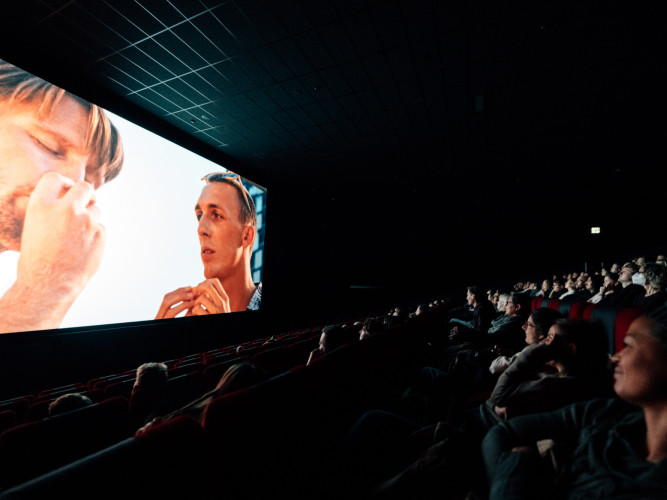
Cinema moves us not just as individuals. It creates a collective experience. For the duration of a screening, we laugh together, collectively hold our breath, or wipe tears from our faces. I still remember my first cinema visit, to Kino Talgarten in 1982, vividly: the rollercoaster of emotions, the tears I shed when I thought E.T. was dead, and again during the farewell scene at the end. Perhaps our love of cinema begins right at the moment when a film makes us forget where we are, and its emotions suddenly become our own.
Internationale Kurzfilmtage Winterthur is Switzerland’s major short film festival. For six days every November, we transform the city into a dynamic short film hub.
Kurzfilmtage offers discoveries for everyone: our thoughtfully compiled thematic programmes address current events or topics that our curators are passionate about. The competition programmes showcase the latest filmmaking from around the globe, while installations, performances, and other specials highlight the diversity of audiovisual forms. And a programme of special events including concerts, readings, and more enhance the festival experience.
The programme of the 30th Kurzfilmtage will be released on 14 October 2026.
A short film is not just a shorter film. Shorts are a distinct art form, which we showcase at our annual festival.
Short films come in all shapes and genres, and how long – or short – they are, varies quite a bit. Simpler production processes allow filmmakers to capture the zeitgeist and quickly respond to trends. Shorts can be entertaining or surprising, they can analyse society, take a political stance, or offer glimpses of worlds unknown to us.
We compile our short films into thematic programmes or specific sections, such as our competitions, paying close attention to the selection and sequence of films in each programme. All you need to enjoy short films is an open mind for new discoveries and surprises.
Competitions
Recent short films from around the world. The best shorts will be presented with awards on Sunday evening.
Hors Concours
Recent short films from Zurich, Switzerland, and around the world screened out of competition.
Focus
Films that explore a region, a social phenomenon, or an artistic trend.
Person in Focus
A spotlight on the work of a filmmaker.
Special Programmes
Short film programmes dedicated to topics that our curators are passionate about – or that are simply fun.
Family Programmes
Short film fun for young viewers aged 6+ and for the whole family.
Expanded Cinema
Installations, performances, and exhibitions present the medium of film in unfamiliar forms.
Special Events
Concerts, parties, readings, and many other events enhance the festival experience.
Talks & Panels
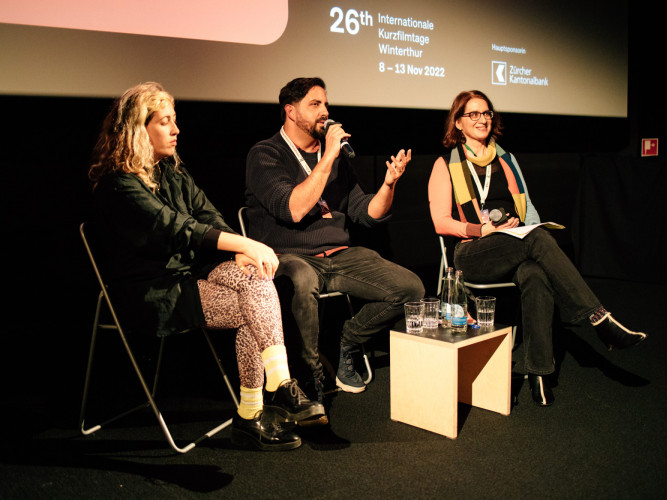
Moderated talks and panels after the screenings offer additional context and insight into films and themes.
Industry Events
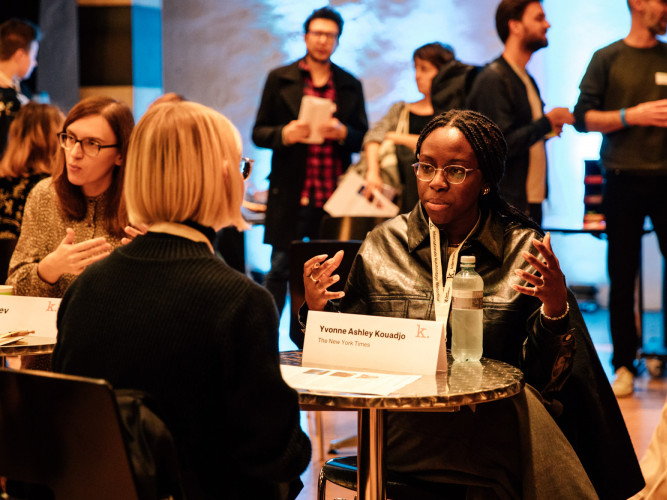
A wide range of educational events and networking opportunities.