Compétitions
Des courts métrages actuels du monde entier. Les œuvres les plus prometteuses seront récompensées le dimanche soir.
Hors Concours
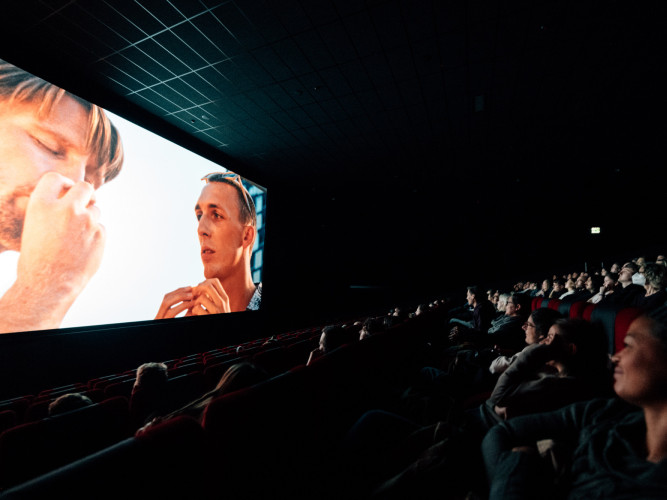
Des courts métrages actuels zurichois, suisses et internationaux diffusés en dehors de nos compétitions.
Focus
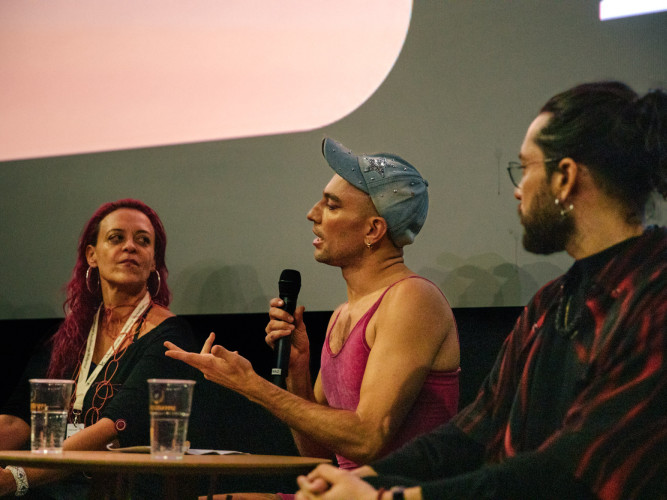
Une analyse en images d’une région, d’un phénomène social ou d’une tendance artistique.
Focus sur une personne
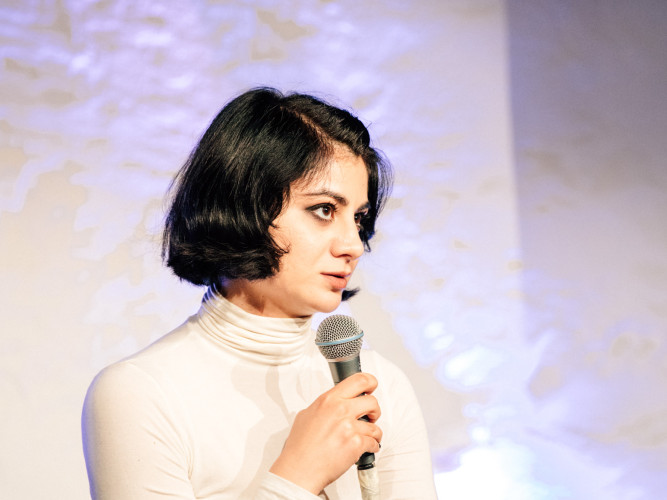
L’œuvre d’un·e cinéaste est mise sur le devant de la scène.
Programmes spéciaux
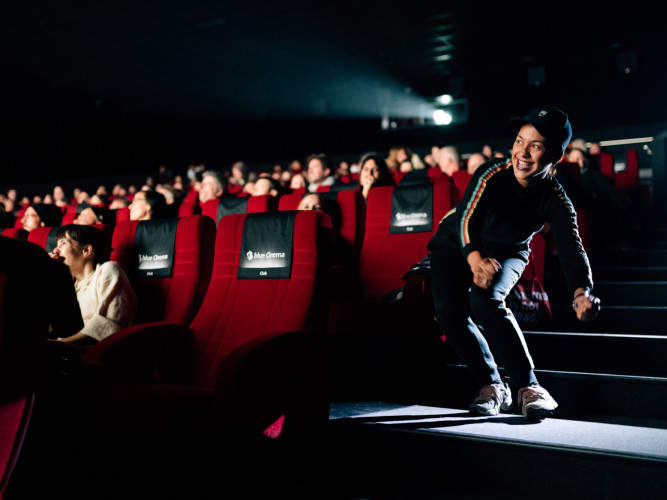
Des programmes de courts métrages sur des thématiques brûlantes, ou simplement divertissantes.
Programmes familiaux
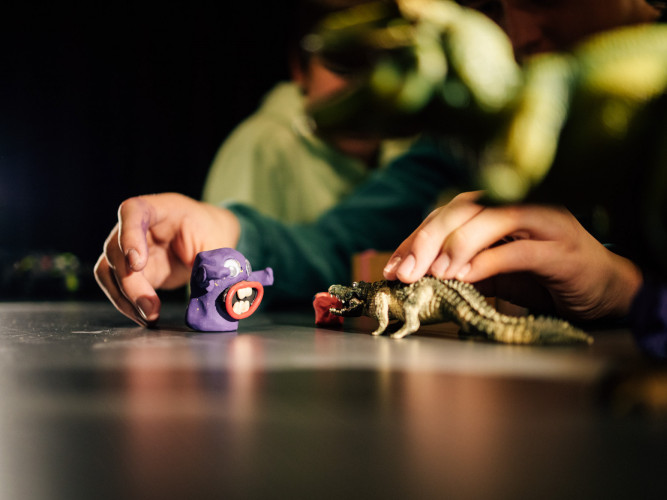
Des courts métrages pour les jeunes dès 6 ans et toute la famille.
Expanded Cinema
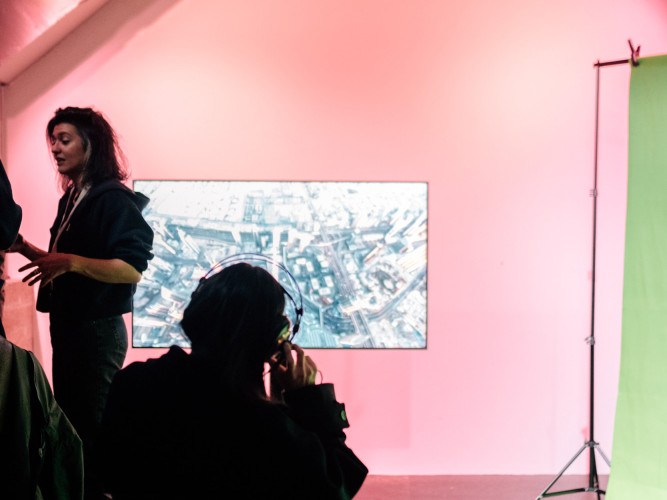
Des installations, des performances et des expositions qui font découvrir au public des formes de cinéma inhabituelles.
Programme d’événements
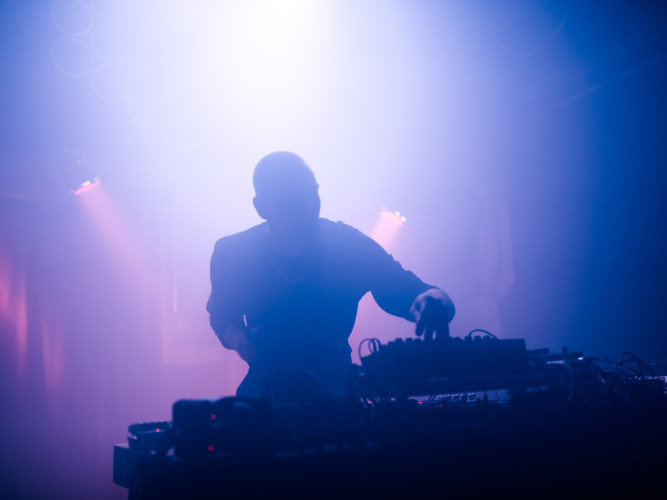
Des concerts, des soirées, des lectures et de nombreux autres événements qui complètent l’expérience du festival.
Discussions et podiums
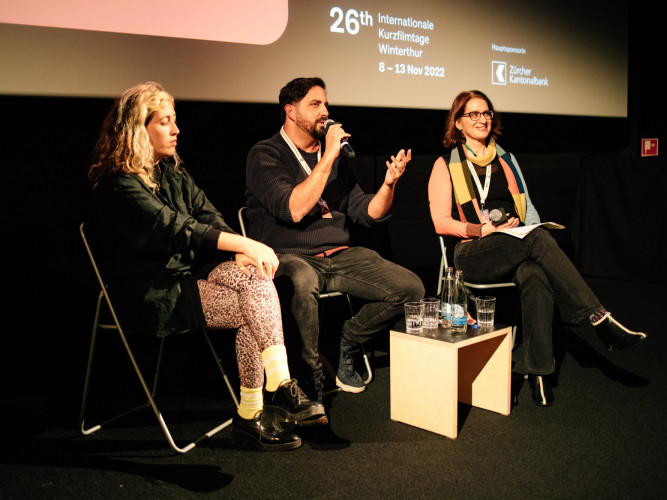
Des discussions et des tables rondes animées durant lesquelles l'art du cinéma ou des thématiques précises sont approfondis.
Industry Events
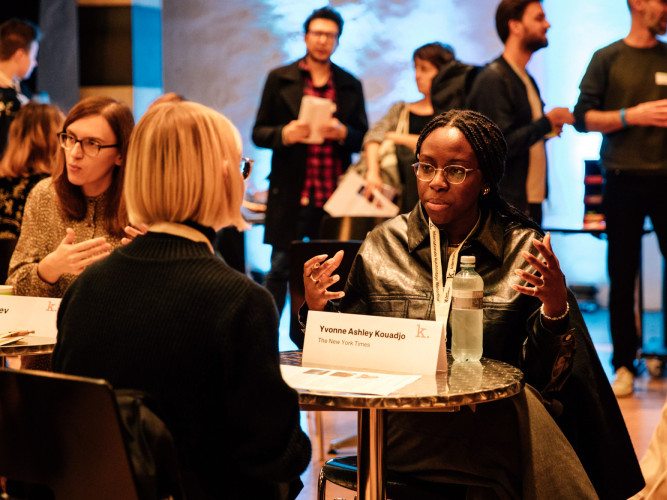
Un large éventail d’événements d’information, de formation et de réseautage.
Le court métrage
Le court métrage n’est pas juste un film «court». C’est une forme d’art à part entière à laquelle nous consacrons chaque année un festival.
Il existe des courts métrages de tous genres et de toutes longueurs. Grâce à des voies de production facilitées, il permet de capter rapidement une époque et de l’illustrer. Il divertit, surprend, analyse lasociété, exprime une opinion politique ou donne un aperçu de mondes étrangers.
Nous rassemblons nos courts métrages pour créer des programmes thématiques ou des sections – comme nos compétitions – et nous les projetons dans un ordre bien précis. Pour apprécier le court métrage, il suffit d’être curieux, d’avoir envie de faire des découvertes et de se laisser surprendre.