Ce site utilise des cookies pour l'analyse anonyme des visiteurs et pour désactiver ce message dès son acceptation. Aucune donnée personnelle ou d'identification n'est collectée.
The latest trends in international filmmaking: our competition programmes present recent short films from around the world. The best works will be honoured with prizes at the Award Ceremony on Sunday.
Discover national short filmmaking in the Swiss Competition. We also invite audiences to join us for the Award Ceremony on Sunday – watch live as the jury honours the best films of this year’s festival edition.
With the Sparks programmes, we hope to spark a passion for the medium of short film. Featuring highlights from this year’s competition submissions, the selection offers an excellent introduction to the world of shorts, showcasing a diverse film culture beyond the usual mainstream and YouTube videos.
Kurzfilmtage’s annual Swiss Film School Day is a showcase of Switzerland’s five major undergraduate degree programmes. Ecole cantonale d’art de Lausanne (ECAL), the Geneva University of Art and Design (HEAD), the Zurich University of the Arts (ZHdK), and the Lucerne School of Art and Design (Video/Animation) present a selection of their recent short films. The jury of the Swiss Competition gives feedback to the students and awards the prize for the Best Swiss School Film. Admission to the Swiss Film School Day is free – a great opportunity to get a first glimpse of Kurzfilmtage!
Canada is an impossibly vast and wildly diverse country. Accordingly, Canadian cinema is highly eclectic, influenced by language, geography, and various cultural communities. The eight curated programmes presented here showcase the complexity of this cinema as well as its evolution through history.
In the early 1990s, Nigerian cinema experienced its first major commercial success. Themes of love, avarice, spirituality, and redemption became the backbone of Nigerian cinematic storytelling, resonating with audiences across the country and continent. Today, young filmmakers infuse some irreverence into those themes, often using short films as the canvas for their exploration. These shorts bear witness to the new generation’s unique ambition and creativity, and they represent a hyper-conscious departure from mainstream Nollywood.
Willy Hans has developed a unique style characterized by his love of experimentation and a talent for blending genres. His films surprise viewers with unexpected twists and intriguing image compositions. In this Focus on Willy Hans, we present his own works as well as films created by the collective consisting of Paul Spengemann, Jan Eichberg, Steffen Goldkamp, and Hans.
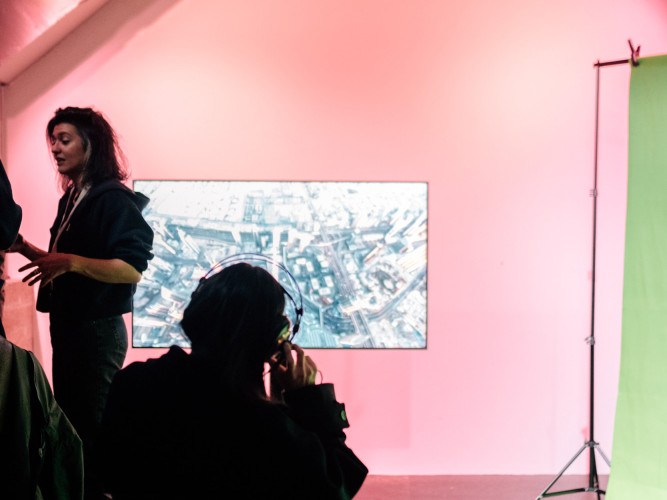
Kurzfilmtage’s Industry Events consist of the Swiss Film School Day, the Industry Lab, and the Creators’ Room. They offer film professionals an opportunity for networking and for discussing current issues, creative methods, and aesthetic trends.
A focus on the works of Willy Hans inevitably includes the collective consisting of Paul Spengemann, Jan Eichberg, Steffen Goldkamp, and Hans. The four are by no means a conventional production collective. Instead of striving for control, they like to explore the limitless possibilities of a continuous exchange of ideas, collaborating in a wide variety of forms.
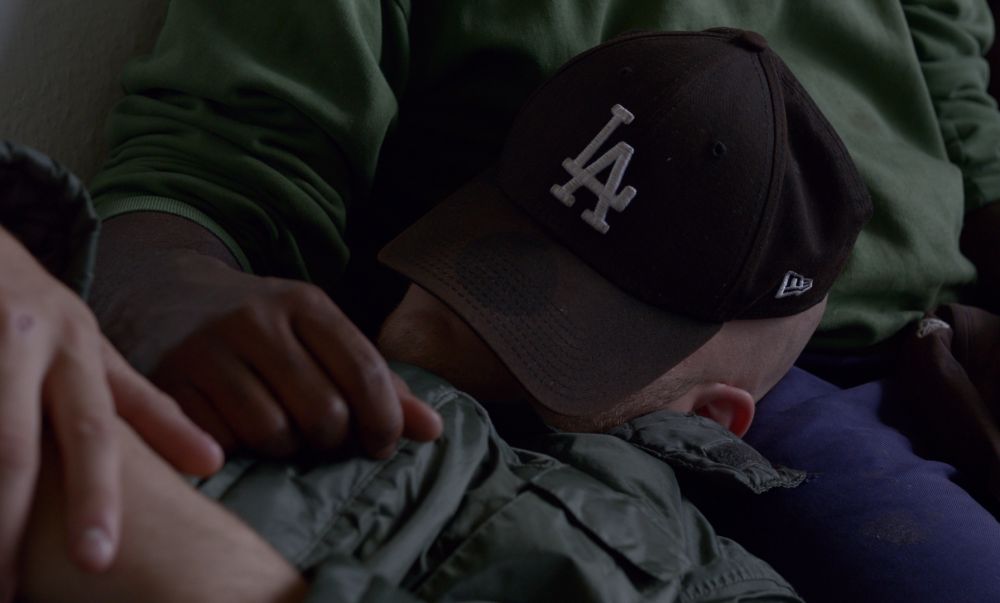
Time as punishment – of juvenile inmates and bodies that become heavy in prescribed spaces.
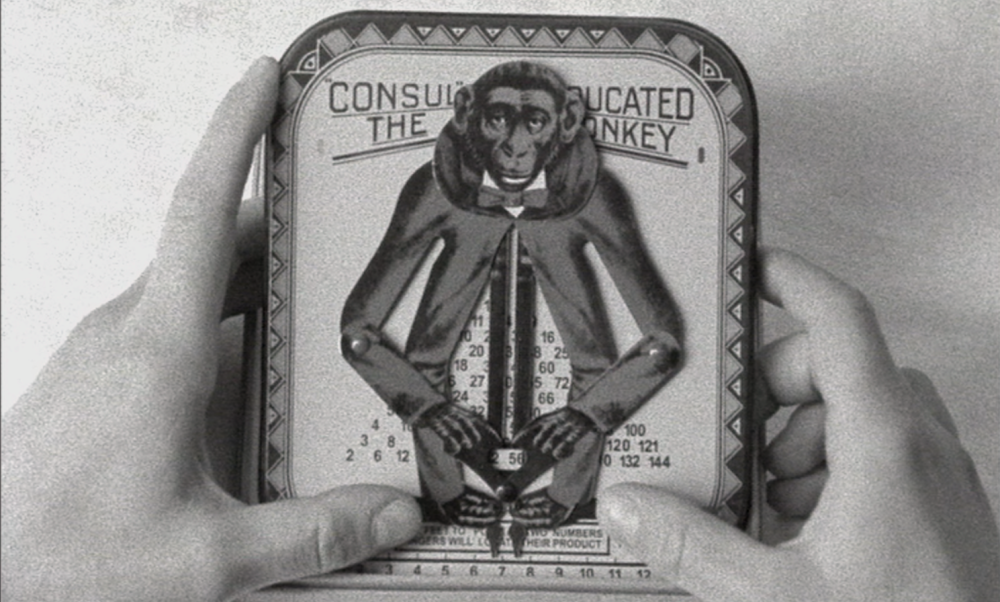
Affenstunde Willy Hans / Germany 2010 / 16'49" / DCP / black & white / no dialogue / Fic
A woman and two men live their dandy lives in a country house, not knowing how to fill the days. At the point of ultimate boredom, the elderly man is starting to look out for the woman who increasingly keeps to herself. As they barely speak to each other anymore, obvious hostility soon arises. During a dreamlike walk in the woods, the woman comes to a decision.
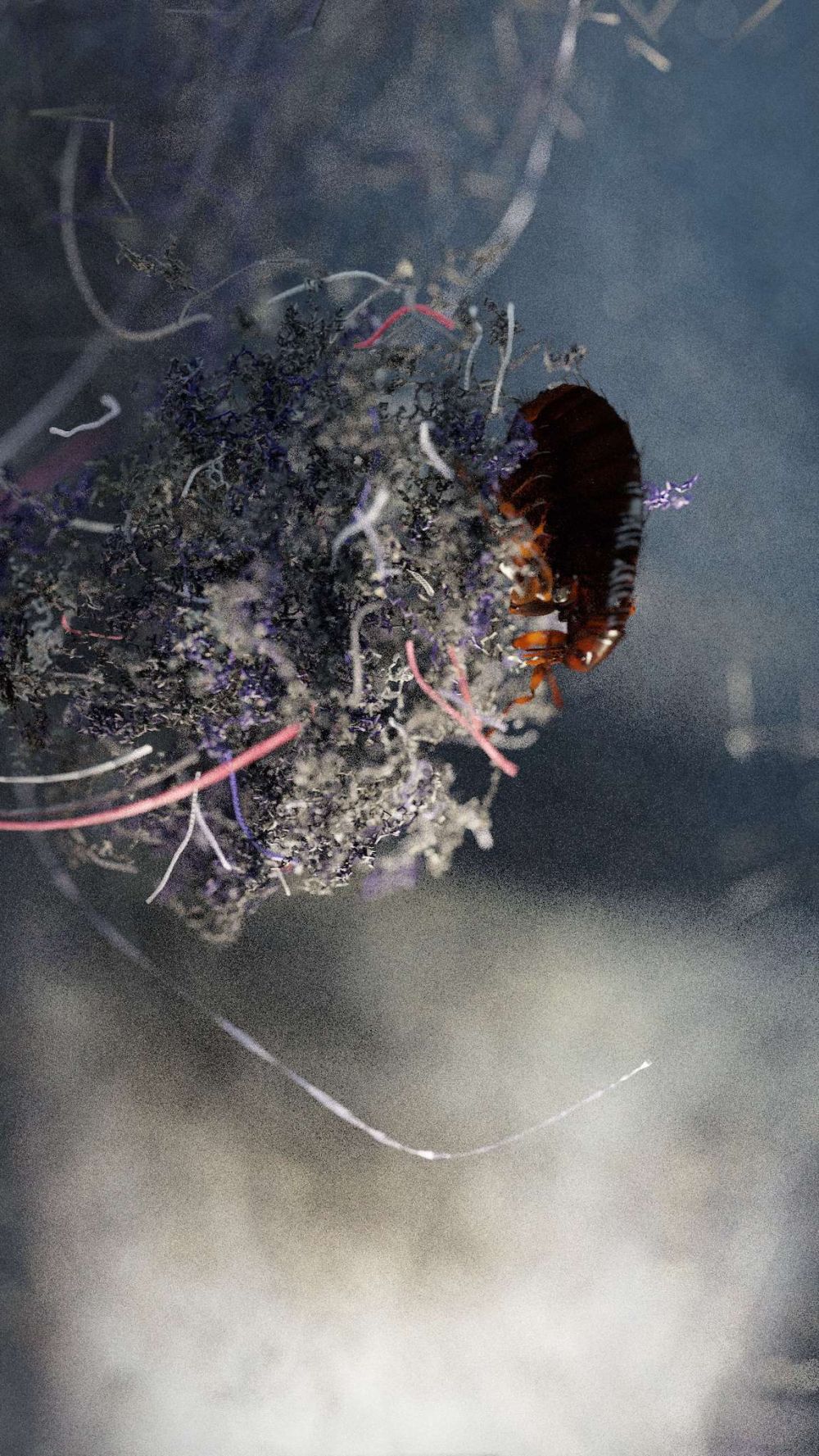
Pocket Call Paul Spengemann / Germany 2021 / 7'4" / DCP / colour / no dialogue / Exp/Ani
You used to call me on my cell phone, you used to, you used to. A brief look at the screen is enough to know who is calling. The display warns you who is waiting at the other end of the line. There is a brief, decisive moment before you pick up to consider whether it would be better to ignore the incoming call, especially in view of the fundamental question of who still makes phone calls these days.
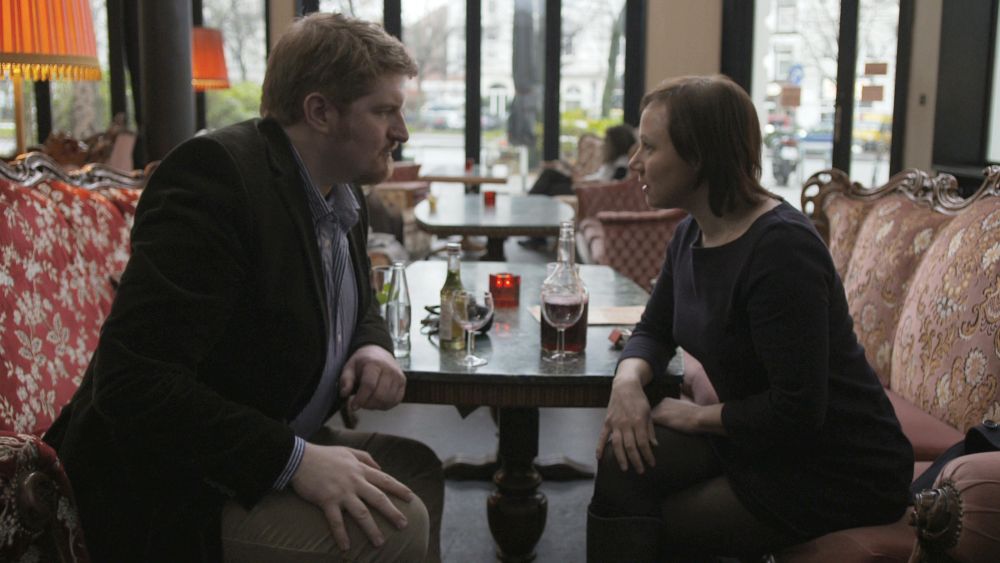
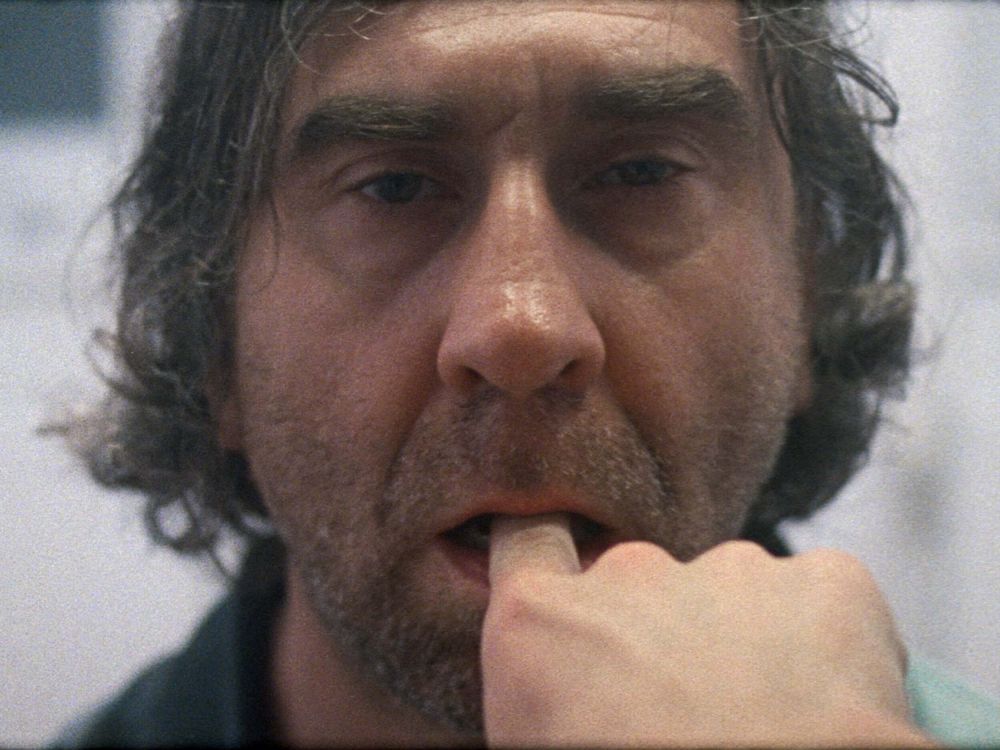
Thierry is a photographer visiting a foreign city. He is looking for the museum. Isabelle is lonesome and tries to help him out. They dedide to go for a drink in a pub nearby. Thierry soon discovers that the memorized phrases in the foreign language won't produce the desired results. An audio language training programme for French served as the template for this boy-meets-girl story.
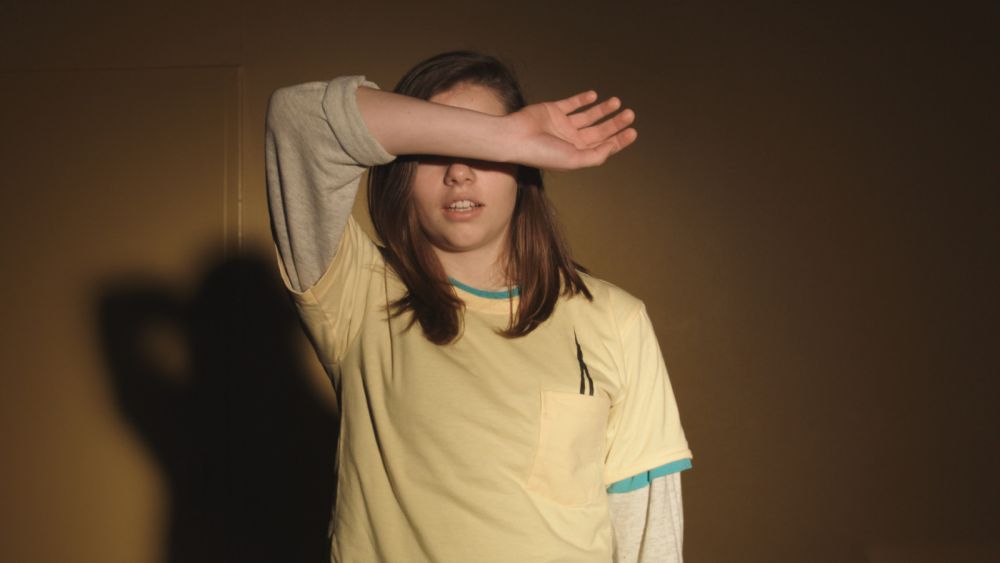
The film is set in a humanities high school built according to plans by Danish architect Arne Jacobsen. Gerrit Frohne-Brinkmann and Paul Spengemann accompany a group of students during activities that appear mysterious at first in the modernist spaces: auditorium, gymnasium, café, library, corridors. The eight protagonists use simple theatrical means such as spotlights, sound tubes, and thunder sheets to contribute to their own staging of an ancient Greek text, which is withheld from an audience.
Everything goes around in circles. Five people, one living room. It is only when the wine has been spilled, the issue of dark matter solved, and nobody expects food anymore that the music is turned up. We’re caught in the orbit of the same, always the same, always the others. Humans, words, things.
Willy Hans was born in Freiburg in 1982. In 2009, he began his studies at the HFBK University of Fine Arts Hamburg, where he made several films, including «Der fremde Fotograf und die Einsamkeit» (2012), which screened at multiple festivals. «Das satanische Dickicht – Eins» is his graduation film, which he has since expanded to a trilogy. Currently, Hans is working on his first feature-length film.
Willy Hans has developed a unique style characterized by his love of experimentation and a talent for blending genres. His films surprise viewers with unexpected twists and intriguing image compositions. He doesn’t shy away from unconventional narrative structures and unusual perspectives.
Since 2014, Willy Hans has also been part of a collective with Paul Spengemann, Jan Eichberg, and Steffen Goldkamp, who were fellow students at HFBK Hamburg. The four are by no means a conventional production collective. Instead of striving for control, they like to explore the limitless possibilities of a continuous exchange of ideas, collaborating in a variety of forms.
Kurzfilmtage is showing Hans’s trilogy «Das satanische Dickicht» («The Satanic Thicket»), which features a dark and mysterious world, where the supernatural encounters the mundane. In addition to their impressive visuals and high production values, these shorts stand out for the unique atmosphere that Hans creates. Their somber beauty captivates audiences, immersing them in a world full of secrets and unimaginable horrors. A thrilling masterpiece of short filmmaking that lingers in viewers’ minds long after the closing credits have ended.
The second programme is dedicated to the collective Spengemann, Eichberg, Goldkamp, Hans, whose members appear in different functions – director, cinematographer, screenwriter, etc. – across the six shorts. Both screenings are accompanied by a conversation with the filmmakers, and a 90-minute Master Class with Hans and other members of the collective will be held on Saturday.
Spengemann, Eichberg, Goldkamp, Hans
Willy Hans was born in Freiburg in 1982. In 2009, he began his studies at the HFBK University of Fine Arts Hamburg, where he made several films, including «Der fremde Fotograf und die Einsamkeit» (2012), which screened at multiple festivals. «Das satanische Dickicht – Eins» is his graduation film, which he has since expanded to a trilogy. Currently, Hans is working on his first feature-length film.
Willy Hans has developed a unique style characterized by his love of experimentation and a talent for blending genres. His films surprise viewers with unexpected twists and intriguing image compositions. He doesn’t shy away from unconventional narrative structures and unusual perspectives.
Since 2014, Willy Hans has also been part of a collective with Paul Spengemann, Jan Eichberg, and Steffen Goldkamp, who were fellow students at HFBK Hamburg. The four are by no means a conventional production collective. Instead of striving for control, they like to explore the limitless possibilities of a continuous exchange of ideas, collaborating in a variety of forms. Kurzfilmtage is showing Hans’s trilogy «Das satanische Dickicht» («The Satanic Thicket»), which features a dark and mysterious world, where the supernatural encounters the mundane. In addition to their impressive visuals and high production values, these shorts stand out for the unique atmosphere that Hans creates. Their somber beauty captivates audiences, immersing them in a world full of secrets and unimaginable horrors. A thrilling masterpiece of short filmmaking that lingers in viewers’ minds long after the closing credits have ended.
The second programme is dedicated to the collective Spengemann, Eichberg, Goldkamp, Hans, whose members appear in different functions – director, cinematographer, screenwriter, etc. – across the six shorts. Both screenings are accompanied by a conversation with the filmmakers, and a 90-minute Master Class with Hans and other members of the collective will be held on Saturday.
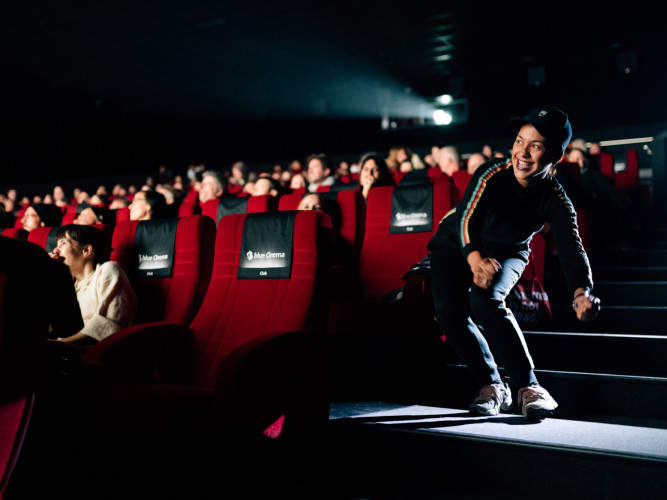
Les Internationale Kurzfilmtage Winterthur représentent le plus important festival de courts métrages en Suisse. Chaque mois de novembre, Winterthour se transforme en métropole du court métrage pendant six jours.
Des courts métrages actuels du monde entier. Les œuvres les plus prometteuses seront récompensées le dimanche soir.
Hors Concours
Des courts métrages actuels zurichois, suisses et internationaux diffusés en dehors de nos compétitions.
Focus
Une analyse en images d’une région, d’un phénomène social ou d’une tendance artistique.
Focus sur une personne
L’œuvre d’un·e cinéaste est mise sur le devant de la scène.
Programmes spéciaux
Des programmes de courts métrages sur des thématiques brûlantes, ou simplement divertissantes.
Programmes familiaux
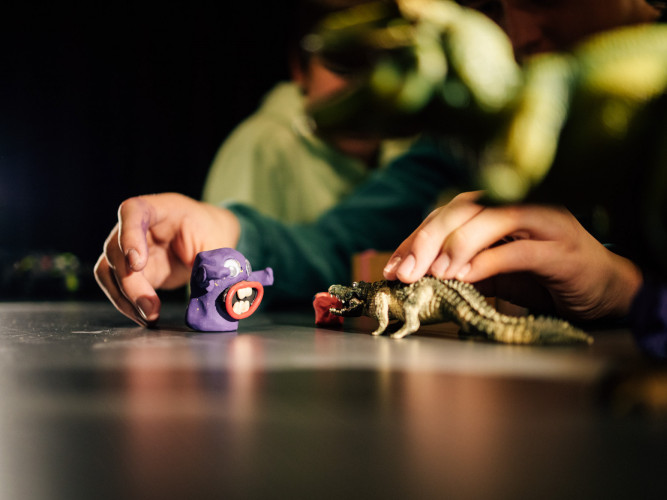
Des courts métrages pour les jeunes dès 6 ans et toute la famille.
Expanded Cinema
Des installations, des performances et des expositions qui font découvrir au public des formes de cinéma inhabituelles.
Programme d’événements
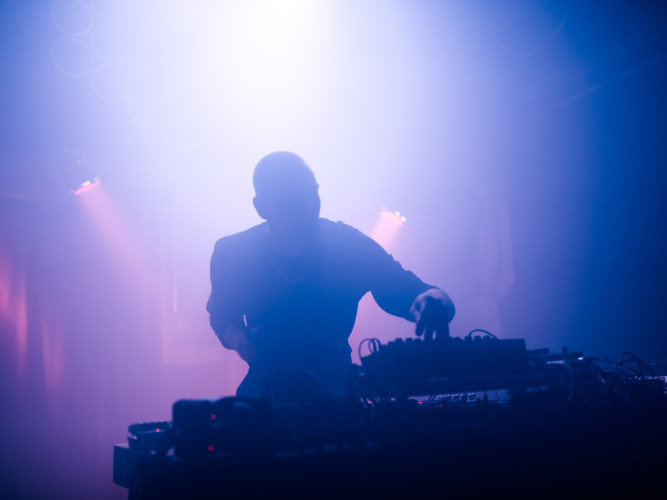
Des concerts, des soirées, des lectures et de nombreux autres événements qui complètent l’expérience du festival.
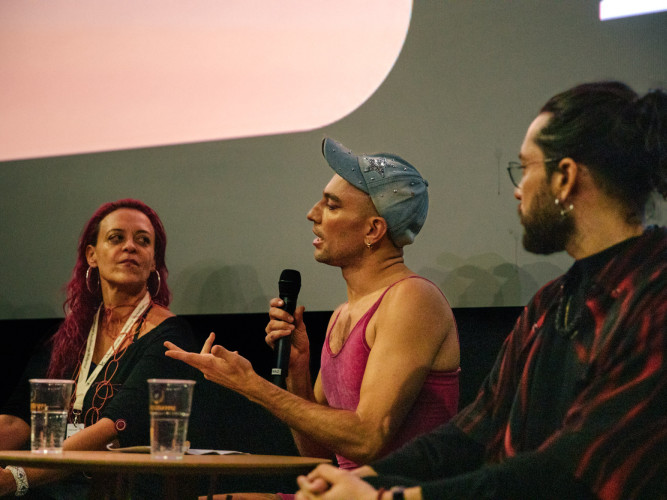
Discussions et podiums
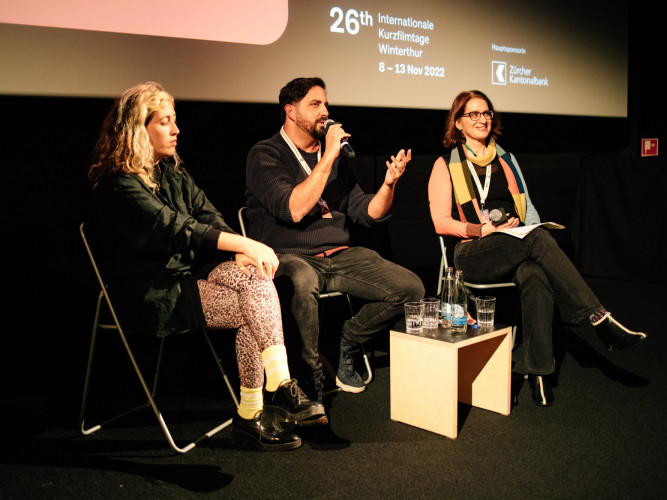
Des discussions et des tables rondes animées durant lesquelles l'art du cinéma ou des thématiques précises sont approfondis.
Industry Events
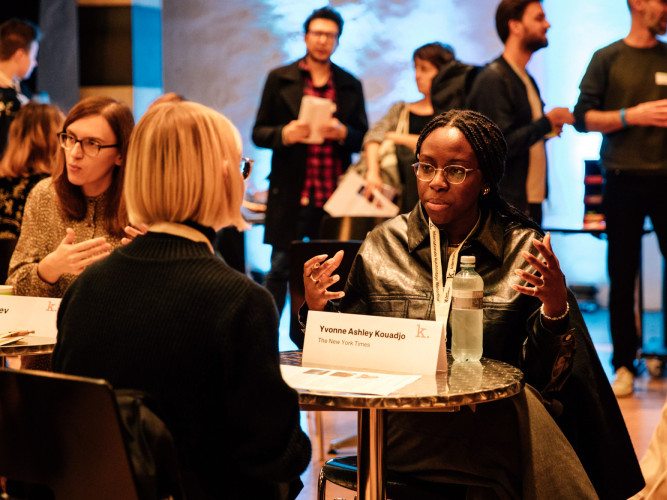
Un large éventail d’événements d’information, de formation et de réseautage.
Le court métrage
Le court métrage n’est pas juste un film «court». C’est une forme d’art à part entière à laquelle nous consacrons chaque année un festival.
Il existe des courts métrages de tous genres et de toutes longueurs. Grâce à des voies de production facilitées, il permet de capter rapidement une époque et de l’illustrer. Il divertit, surprend, analyse lasociété, exprime une opinion politique ou donne un aperçu de mondes étrangers.
Nous rassemblons nos courts métrages pour créer des programmes thématiques ou des sections – comme nos compétitions – et nous les projetons dans un ordre bien précis. Pour apprécier le court métrage, il suffit d’être curieux, d’avoir envie de faire des découvertes et de se laisser surprendre.