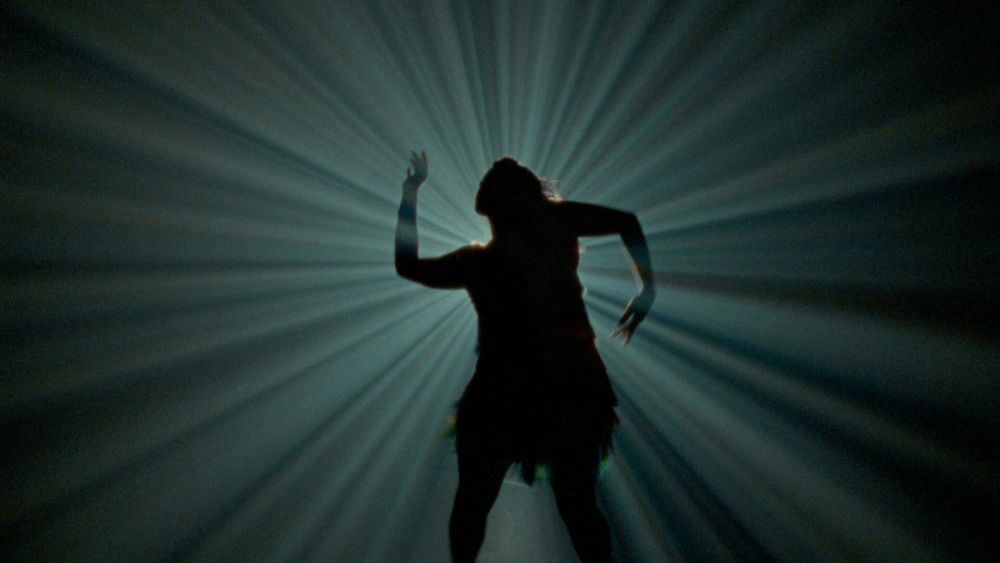
The medium of film may have its origins in the photographic image, but its essence lies in the perception of movement through space and time. The moving image needs movement within the image – movement is what sets film apart from other mechanically reproducible arts. It is no wonder, then, that dance as a cinematic motif has been a throughline of film history. Dancing bodies have been popular onscreen since the earliest days of film. The elaborately produced musicals from Hollywood’s golden era (1927–1960), choreographed down to the smallest detail, are still a benchmark for the industry today. Film dramas from both the independent and mainstream sectors that use song and dance to break with the norms of certain genres are currently enjoying great popularity. Dance is also ubiquitous in the digital world today, with video platforms like YouTube and TikTok providing a global stage for viral dance trends. Last but not least, dance motifs are becoming increasingly important in current short films, which is why we are dedicating three programmes to dance and motion this year.
Movement is inherently ambivalent, especially when perceived on a screen. Within the rigid and one-way cinematic apparatus, the viewer’s body remains motionless – the motion only happens onscreen. Even when captured on film, dance is fleeting and must be danced to unfold its full power. In our programmes, we thus go beyond the fascination of movement captured onscreen, allowing audiences to also experience dance in its social and psychological contexts.
Dance and movement can be seen as moments of liberation. Dance has the ability to overcome boundaries: between artistic disciplines, between rigid genre categories, but also in a political sense. Those who dance demand space for their own bodies and their own being. Those who dance themselves into a frenzy leave behind everyday life, creating transcendent spaces of pure physicality that are full of possibilities. Where words fail, the body begins to speak. As a means of expression and communication, dance and movement have the potential to connect people across cultural and linguistic boundaries and to express deep emotions.
Our three programmes reflect these perspectives: Dance with Me invites us to join the characters onscreen in breaking out of everyday life and to find ourselves in dance. We see how new communities emerge and identities shift when dance disrupts the usual order. Your Space Is My Dancefloor explores the socio-political implications of dancing bodies taking up space. Here, dance becomes self-empowerment, a demand for visibility, and an act of resistance. The programme shows how movement can question power relations, shift norms, and redefine spaces – physically, politically, and symbolically. Finally, The Movies traces the interaction between motion and the moving image, inviting audiences on a journey through the various dance film genres of film history. The selection includes playful experiments from different periods, attempts at bridging the gap between moving image and immobile audience, and the commercialization of dance images and the style-defining power of choreographed bodies in pop culture cinema.
Curated by Inken Blum and Laura Walde
Your Space Is My DancefloorDance is more than moving freely to the rhythm of one’s choice or according to strict rules. Dance is also an expression of community, resistance, and self-determination. In the programme Your Space Is My Dancefloor, communities dance against systemic oppression. Physical motion makes power structures visible and breaks them up through dance. Those who dance claim spaces for their own bodies.
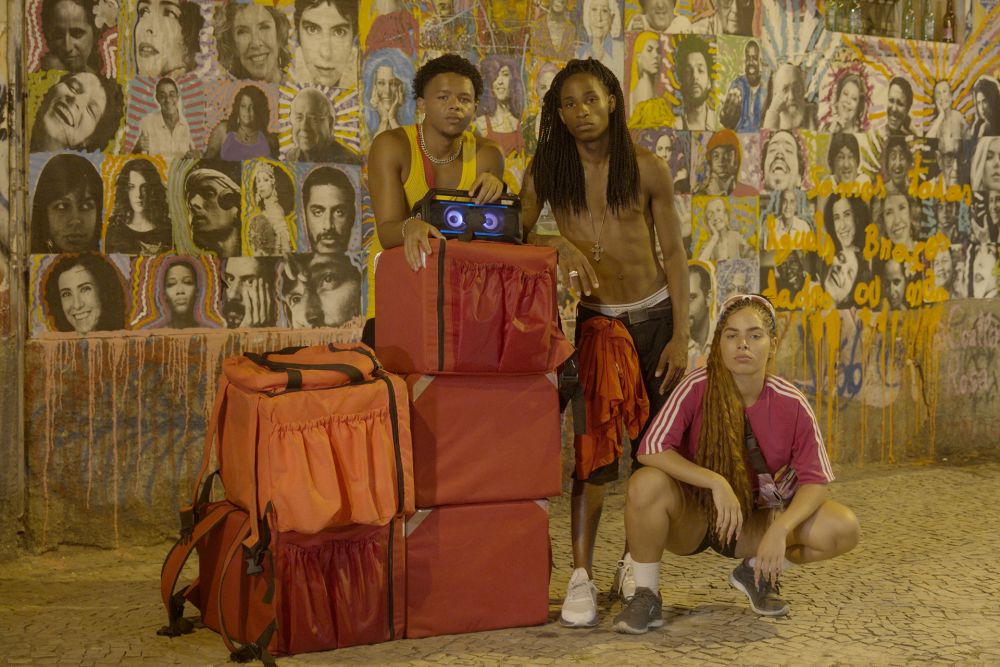
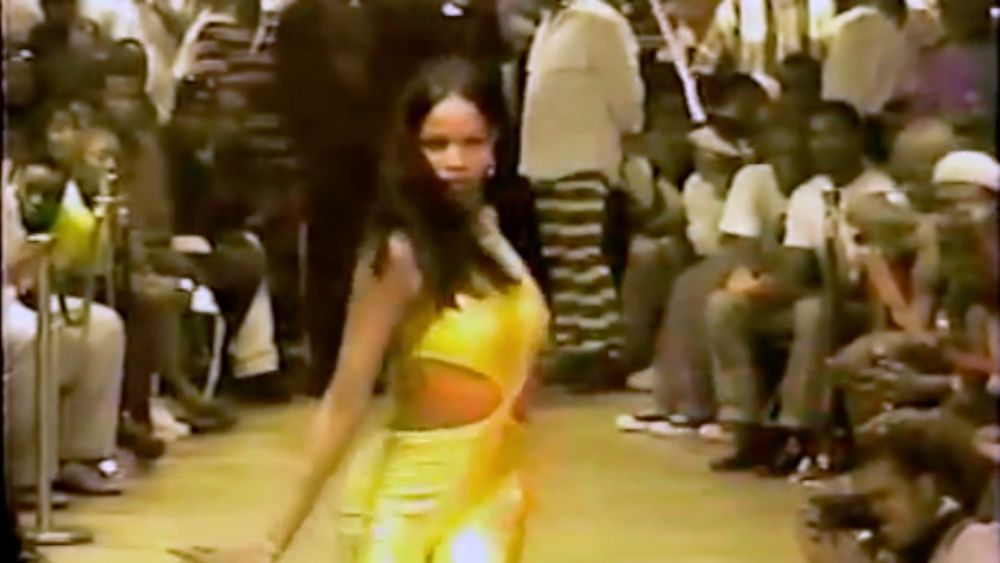
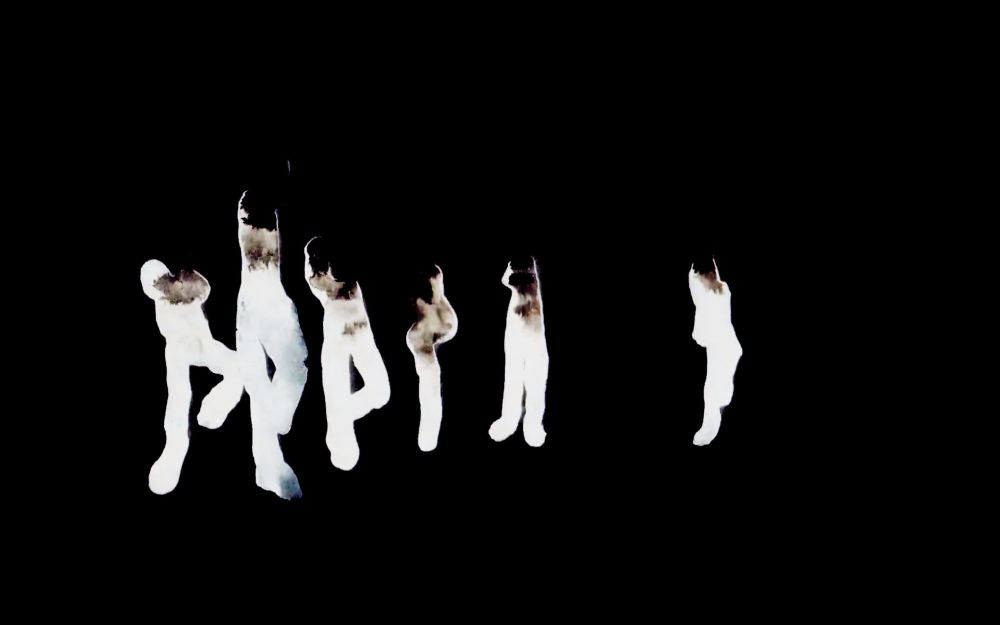
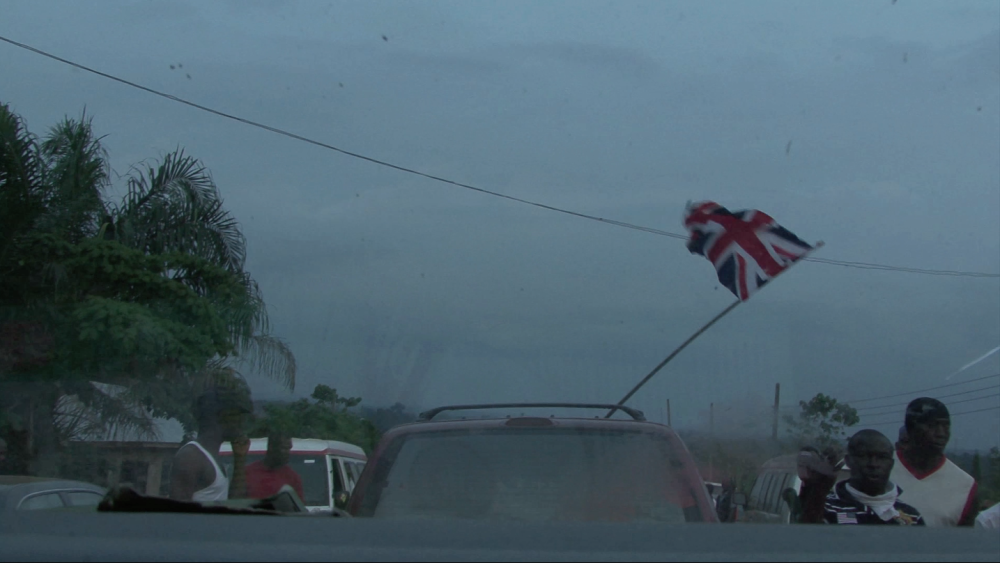
In «Fantasma Neon» by Leonardo Martinelli, dance is a survival strategy in a precarious urban reality in the Brazilian metropolis of Rio de Janeiro. The city becomes a stage for a neon-coloured musical when delivery driver João dreams of a better future, dancing against the exploitative conditions of his life. The film combines social reality with choreographed ecstasy, showing dance as collective self-assertion. Mirelle Borra’s «Safe Space» traces how dance creates safe spaces of belonging for queer identities: Borra combines archival footage from the ballroom scene of the 1990s with the AI-generated voices of queer refugees. In the film’s virtual safe space, dance functions as resistance against exclusion and violence, claiming visibility. In «Ghost Dance», Emilia Izquierdo makes bodies glide through liminal spaces between visibility and invisibility, between memory and the future. She interweaves hand-drawn animations with historical material, including footage of indigenous dances by Thomas Edison from the early days of film history. Dance plays a dual role here: as a spiritual connection to ancestors and cultural heritage and as a form of protest through the ages, from the Sioux of the late 19th century to present-day movements in Gaza, South Africa, and Peru. In «We Need New Names», Onyeka Igwe combines colonial history with choreographed movement to investigate her own identity. Here, dance serves as performative memory and ritual gesture for breaking out of colonial corsets. «Pidikwe» by Caroline Monnet brings together indigenous women of different generations in a moment of cultural self-empowerment. In a maelstrom of traditional and contemporary movements, the boundaries between film and performance are blurred as dance builds a bridge between past and future. Finally, Mégane Brügger's «Maman danse» is an intimate portrait of a mother-daughter relationship after years of domestic violence. What remains are words, memories – and dance steps. The film shows dance as an act of healing, as a way of dealing with trauma and passing on strength.
The films in Your Space Is My Dancefloor show dance not only – but also – as ecstasy and pleasure. The dancing body is a means of communication, healing, and transformation. Dance can overcome boundaries – between disciplines, bodies, and cultures. It can break down rigid norms and open up new spaces. Those who dance move not only themselves but also social structures. Dance becomes a language when words fail. A demand when appreciation is lacking. Liberation when history is a burden.
Curated by Laura Walde and Inken Blum
In Zusammenarbeit mit:Das Tanzfest Winterthur
Mit freundlicher Unterstützung von: