Indian cinema boasts a history going back over 100 years, far surpassing the familiar confines of Bollywood productions. Since the debut of «Raja Harishchandra» in 1913, a diverse filmic heritage has evolved. The mainstream film industries, which include Bollywood, incorporated music and dance to appeal to a broad audience, creating their own unique genre of musical melodrama. Their focus on music drew from the classical musical traditions of India and folk theatre. At the same time, an independent film scene and avant-garde cinema emerged. These works draw more from the rich philosophy and theory of Indian aesthetics, emphasising deep, artistically demanding explorations of themes and styles.
The movement often referred to as the Indian New Wave connects to the tradition of Parallel Cinema from the 1960s and 1970s. Directors like Satyajit Ray, Mrinal Sen, and Ritwik Ghatak laid the groundwork for socially critical and formally experimental films. The Indian New Wave introduced a radical departure from conventional storytelling patterns. One of its pioneers, Mani Kaul, developed minimalist, almost meditative forms. His style, influenced by European auteurs, avoided common dramaturgical conventions in favour of contemplative visual compositions, developing a unique film language aimed at distinguishing itself from the Western gaze. Kaul’s radical approach paved the way for newer generations of filmmakers, including Amit Dutta, whose work translates traditional Indian art forms, such as miniature paintings, into cinema. Dutta’s films blend painting, music, and literature to create a cinematic experience that is both intellectual and sensory. In this context of innovation and cultural exploration, government institutions such as the Film and Television Institute of India (FTII), the Films Division of India (FD), and the National Film Development Corporation (NFDC) played a pivotal role. By providing a platform and resources, these institutions helped documentarians and filmmakers to experiment with their craft and narratives and to explore complex themes, thereby contributing significantly to the rich tapestry of Indian cinema. The NFDC played a key role in the Parallel Cinema movement of the 1980s, which gained prominence as the mainstream Indian film industry struggled with the star system crisis and declining theatre attendance due to the rise of home video. With the government-owned Doordarshan (DD) broadcasting socially relevant films, Parallel Cinema flourished, launching the careers of art-house directors and actors who later made a mark in international cinema.
Parallel Cinema in India had two prominent strands: one influenced by filmmakers like Jean Renoir and Roberto Rossellini and exemplified by Satyajit Ray, Mrinal Sen, and Bimal Roy, which focused on India’s socio-economic issues. The other, the Indian New Wave or avant-garde, emerged from Ritwik Ghatak’s students at the FTII. Ghatak favoured melodrama over realism, while his students, inspired by Robert Bresson, Fyodor Dostoevsky, and Bertolt Brecht, sought a new language for Indian cinema. This intellectual approach to cinema led to debates (with Satyajit Ray famously disapproving of such «esoteric» filmmaking) and two separate prominent schools of non-mainstream cinema – the Indian New Wave (avant-garde) and the Parallel Cinema movement (social realism).
Recently, Payal Kapadia has boosted contemporary Indian filmmaking into the global limelight. Her short films, celebrated for their artistic innovation, have been shown at prestigious festivals such as Cannes and the Berlinale, affirming the continued relevance of the Indian New Wave. Her documentary «A Night of Knowing Nothing» won the Golden Eye for Best Documentary at Cannes in 2021, and she went on to win the festival’s Grand Prix in 2024, becoming the first Indian recipient of this award. This success highlights the role of state-run film institutes like the Films and Television Institute of India in promoting independent cinematic voices and advancing Indian avant-garde cinema.
Short films are not only a vital medium for free creative expression but also an essential component of the alumni system in Indian film schools, which supports the production of short films. These films vividly demonstrate how a new generation is adopting and advancing the artistic approaches pioneered by Indian New Wave filmmakers like Mani Kaul, setting them within a global context apart from Bollywood and other dominant trends. Short films thus add a dimension to Indian cinema where experimental narratives, profound societal discourse, and the influence of diverse cultures converge. It is crucial to support and promote these developments, as they not only enrich cultural exchange but also address significant societal and political issues that resonate universally. Recognizing and integrating these complex perspectives into our cultural narratives is essential for fostering a truly global society based on understanding, respect, and shared humanitarian values. Given Indian cinema’s worldwide impact, Kurzfilmtage aims to showcase the rich complexity of cinematic expression from this immensely diverse country, which boasts an ancient civilization with its own history of arts and aesthetics.
Indian cinema today unfolds as a space of artistic resistance and renewal, where personal memory and collective myth, quiet grief and surreal absurdity, economic struggle and spiritual longing collide. The contemporary short films presented in our programmes reflect a country in motion, shaped by its ancient heritage as much as by the tensions of rapid urbanization and widening inequality. Amidst the shimmer of modernity, they bear witness to those left at its margins – migrant workers, women, queer voices, the rural poor –, offering narratives that resist erasure through poetic and often radical cinematic forms. Far from Bollywood’s spectacle, this is cinema that questions, listens, remembers. By embracing contradiction and ambiguity, it opens a space for new imaginaries – intimate, political, and profoundly human. Engaging with these films means opening ourselves to other realities and listening to voices that are too often unheard.
Curated by Iyesha Geeth Abbas, John Canciani, Lea Heuer, and Delphine Jeanneret
Whispers in the DarkThe Indian-born author Salman Rushdie once wrote: «But the truth leaks out in our dreams; alone in our beds … we soar, we fly, we flee. And in the waking dreams our societies permit – in our myths, our arts, our songs – we celebrate the non-belongers, the different ones, the outlaws, the freaks.» This programme captures the spirit of Rushdie’s words.
In the dim light of the cinema, we immerse ourselves in the protagonists’ dreamy visions. The films show that sometimes the dream, or indeed cinema as a collective dreamscape, remains the only way to illuminate what cannot yet be spoken out loud: the loss of a loved one, the quiet tremor of Hindu nationalism, an unsatisfied longing for another, an impossible love…
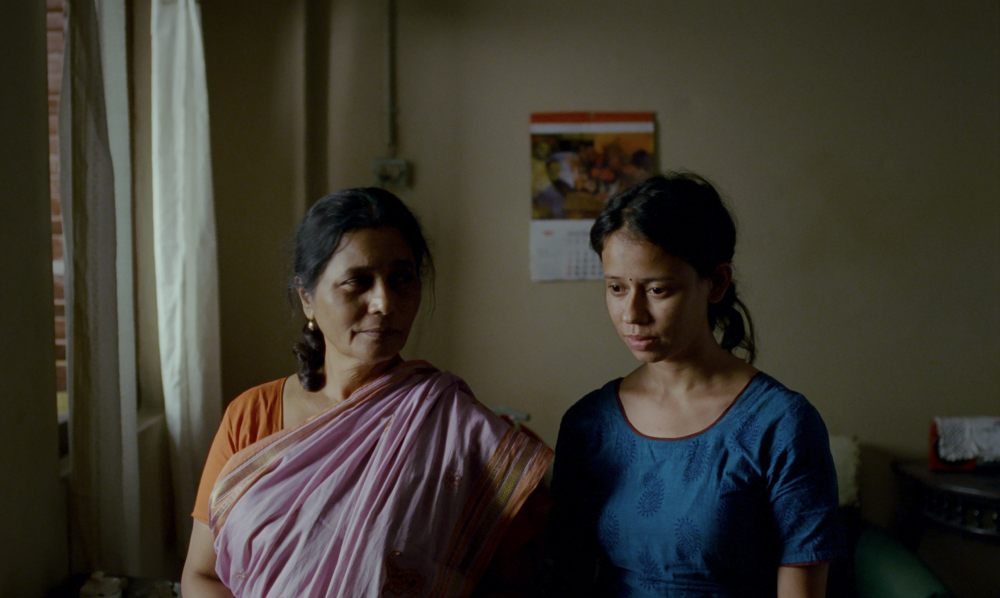
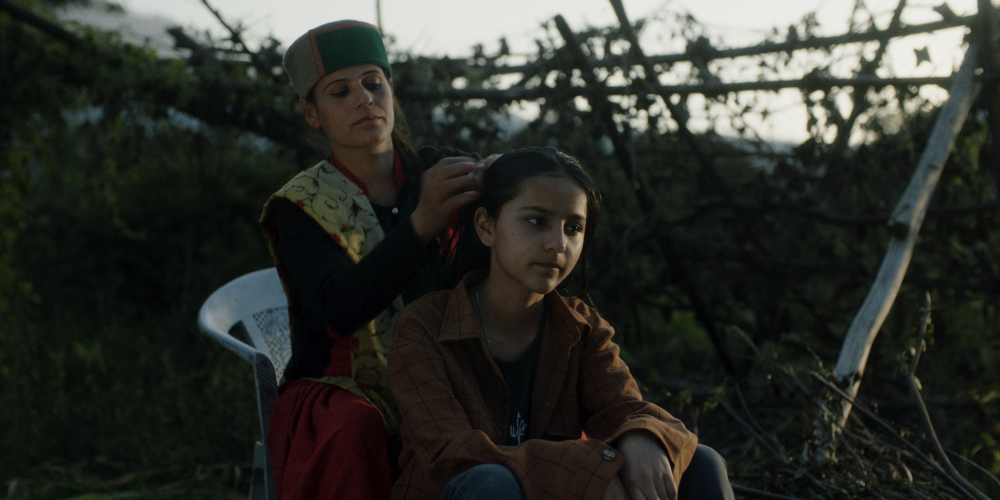
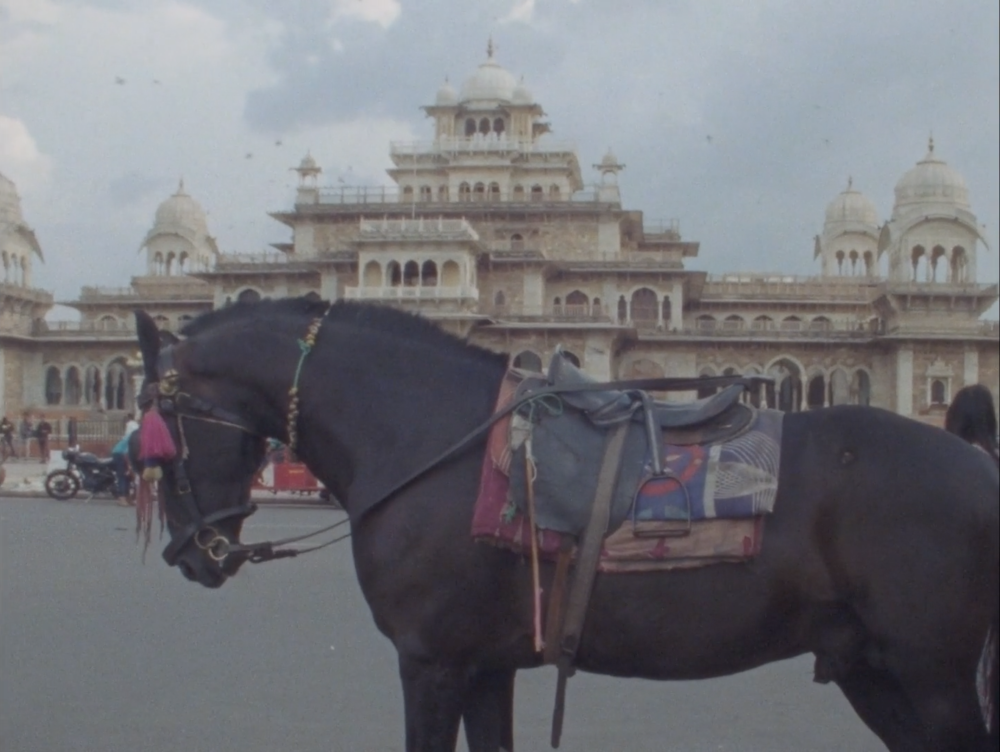
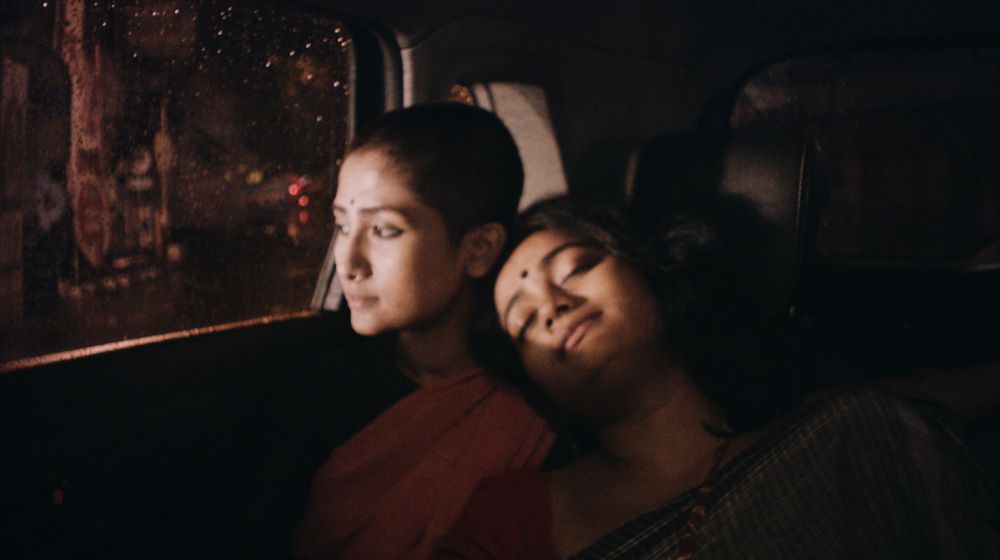
In «Afternoon Clouds», a widow and her housemaid both long for someone long gone. In the form of a nocturnal letter addressed to her deceased great-aunt, the filmmaker of «Night and Fear» revisits her personal archive and recounts the story of a local witch hunt that has left a deep impression on her. «Whispers of a Qareen» follows a young girl in a Himalayan village as she mourns her sister and father in magical ways. «Amma ki Katha» remembers the dream of a united Indian nation, and «Madhu» captures the unspoken tension of a love that flickers between two friends during a single night.
Directed entirely by women, this programme listens closely to the whispers of the night – truths that leak out from our dreams and that deep down carry our longing for connection and belonging, for simply being seen.
Curated by John Canciani, Lea Heuer, and Delphine Jeanneret
Mit freundlicher Unterstützung von: